
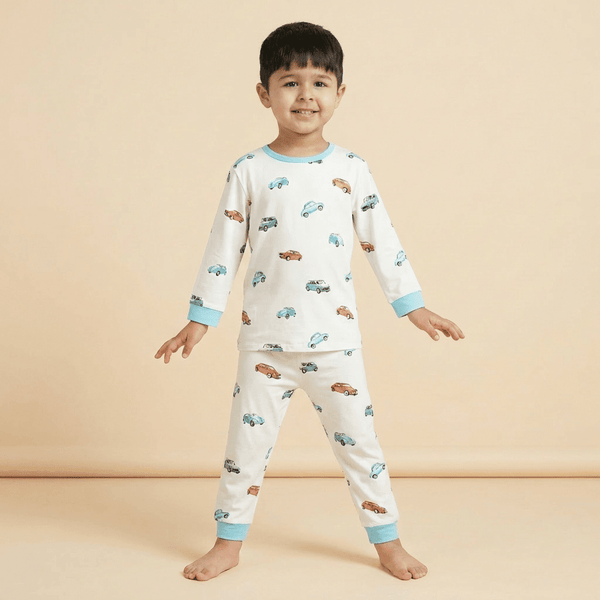
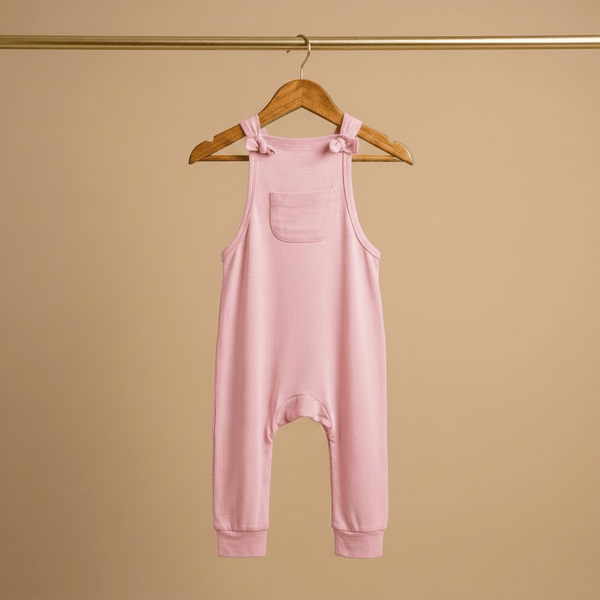
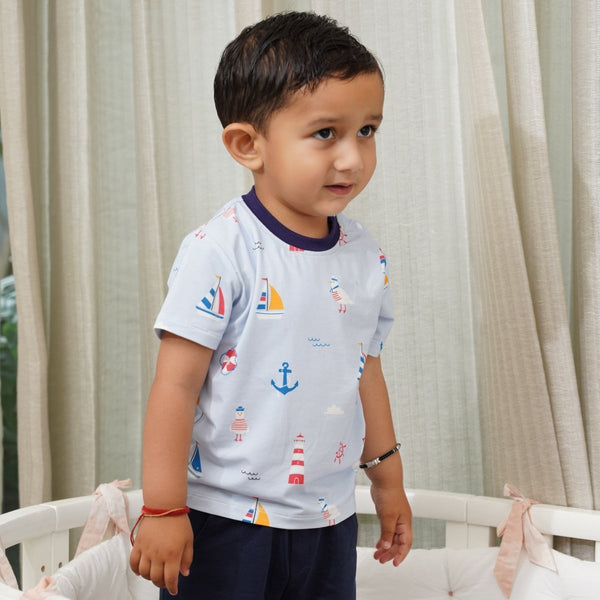
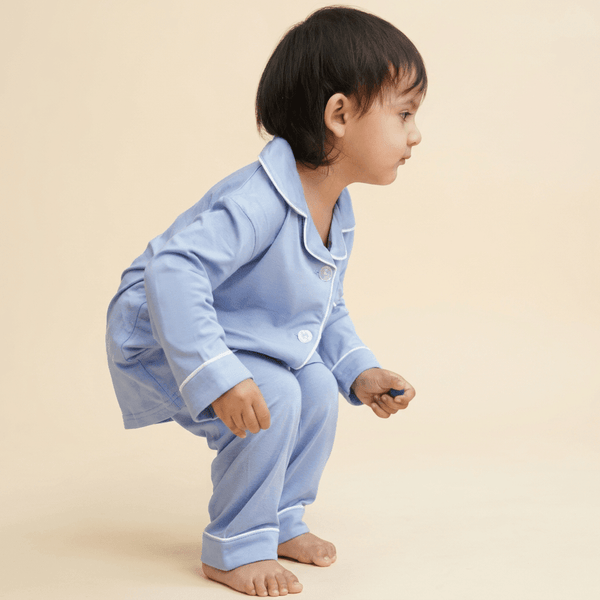

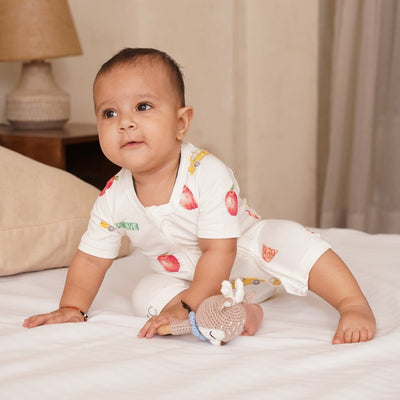
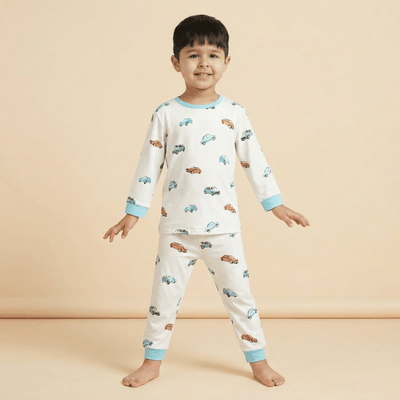
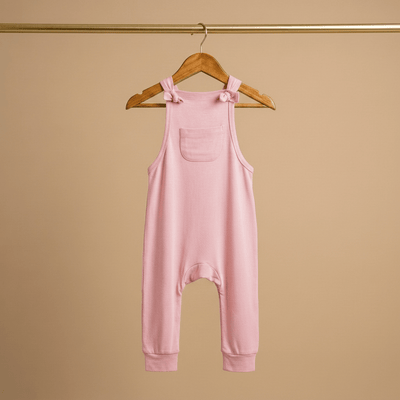
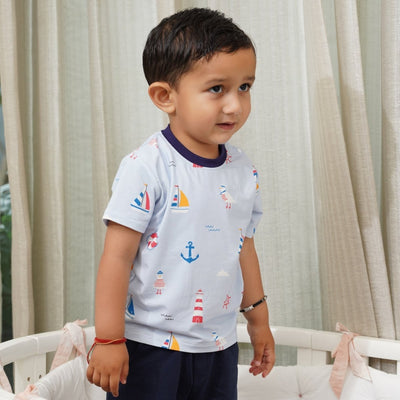
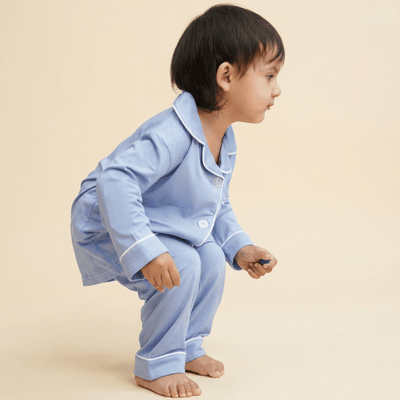
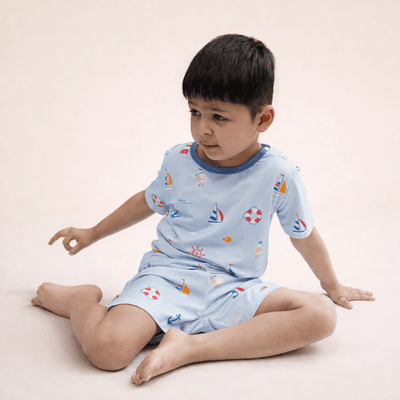
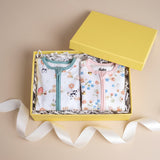

Choosing the best fabric for baby sleep can feel harder than it should. Your baby is waking up sweaty, uncomfortable, fussy, or with irritated skin, and suddenly every sleepsuit label starts to matter. For parents, this is not just about style. It is about comfort, safety, temperature, and getting everyone a little more sleep.
That is where thoughtful baby sleepwear makes a real difference. At Bubz, the focus is on everyday essentials that support better sleep and easier routines, including zipsuits, bodysuits, and rompers designed for comfort, quick changes, and all-night wear. The right design matters, but the right fabric matters just as much.
If you are trying to figure out the best baby sleepwear fabric for hot weather, the safest fabric for newborn sleep, or whether bamboo vs cotton for baby sleep is a better choice, this guide breaks it down simply. We will cover what works, what to avoid, and how to choose safe baby sleep clothing for different seasons and skin needs.
Why Choosing the Right Baby Sleep Fabric Matters
Babies cannot regulate body temperature as well as adults. That means fabric plays a big role in helping them stay comfortable through the night. If a material traps too much heat, does not breathe well, or feels rough on delicate skin, it can affect sleep quality and overall comfort.
This is why parents often search for a breathable fabric for babies that feels soft, stays comfortable across changing temperatures, and reduces the chances of baby overheating. It is also why fabric choice matters even more for newborns and babies with eczema, rashes, or sensitive skin.
Good baby sleepwear materials should support three things at once. They should be gentle on skin, allow airflow, and help maintain a more stable sleeping temperature. That combination supports baby sleep comfort and a safer, more restful bedtime routine.
In practical terms, the right baby nightwear fabric can help with:
- Reducing sweating and overheating during sleep
- Keeping skin calm when your baby is prone to irritation
- Making layers easier to manage in summer and winter
- Creating a more comfortable and safe sleep environment
How to Choose the Best Fabric for Baby Sleep
If you are comparing baby sleepwear and not sure what actually matters, focus on these simple principles first.

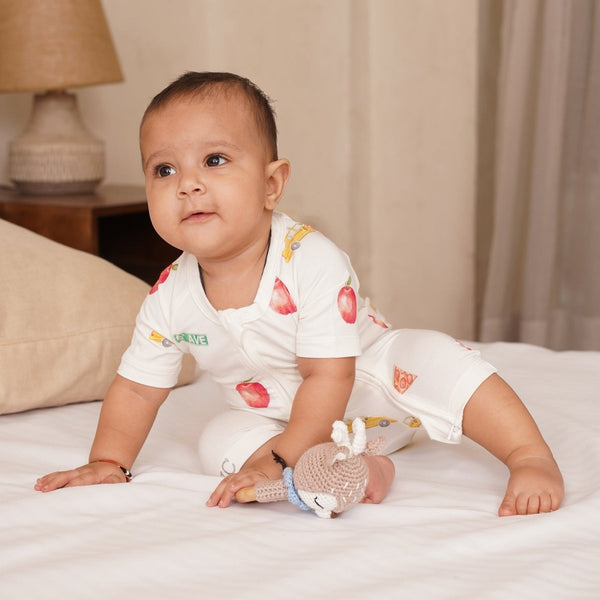
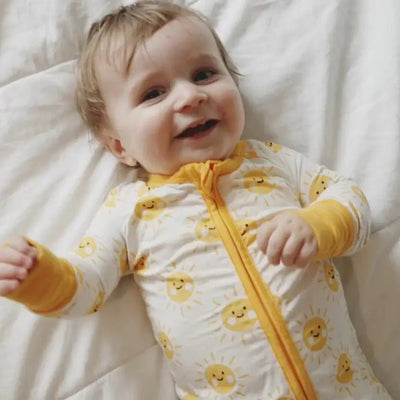
Alphabet Adventure Bamboo T-shirt
Rs. 950
1. Look for breathability first
The best sleep fabrics allow air to move through the garment. A breathable fabric for babies helps lower the risk of overheating and keeps your baby more comfortable during naps and overnight sleep.
2. Choose a soft fabric for baby skin
Babies spend long stretches in sleepwear, so softness is not a small detail. A soft fabric for baby skin should feel smooth, flexible, and non-scratchy, especially around the neck, wrists, legs, and nappy area.
3. Prefer natural fibres or skin-friendly blends
Many parents choose natural fibres for babies because they are often lighter, softer, and less irritating than stiff synthetic fabrics. Bamboo-derived viscose, and muslin are common options in a good baby sleepwear guide.
4. Think about the season
The best fabric for baby sleep in summer may not be the same as the best option for cooler nights. In hot weather, moisture control and airflow matter most. In winter, you still want breathable layers, just with a little more warmth.

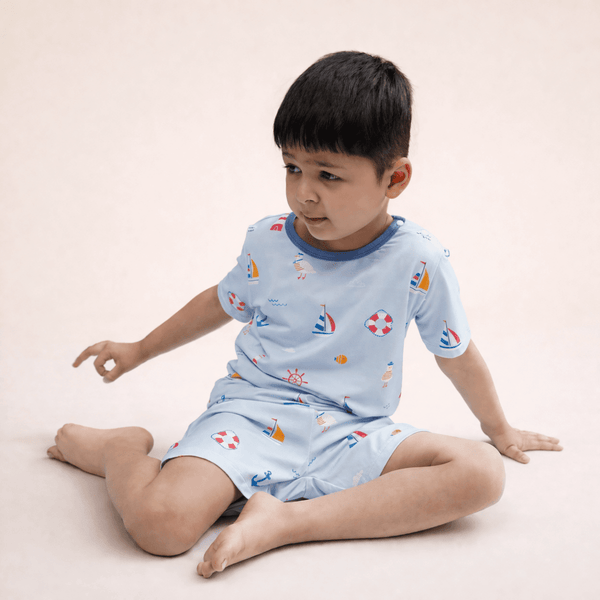
London Bamboo Short Sleeve Set
Rs. 1,650
5. Check for easy night-time functionality
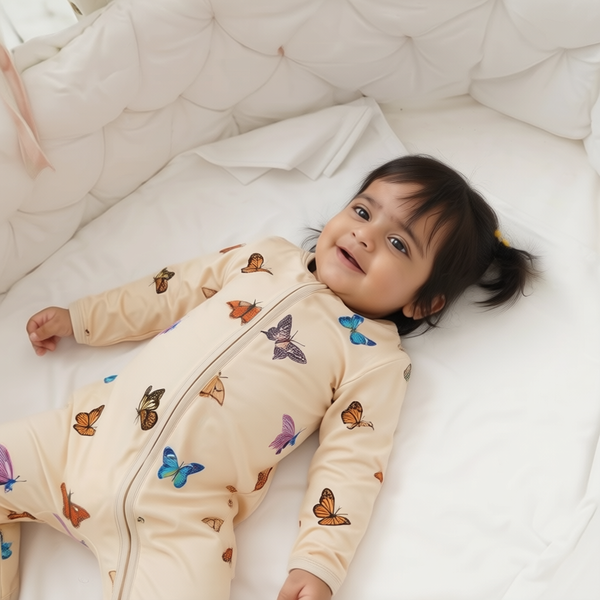
The fabric matters, but so does the garment design. An organic sleepsuit, newborn sleep suit, or two-way zip sleepsuit made from the right fabric can make diaper changes quicker and reduce disruption at night.
6. Avoid anything that feels plasticky, heavy, or rough
If a fabric feels uncomfortable in your hand, it is unlikely to feel good on your baby overnight. Trust that instinct. The best safe baby sleep clothing should feel light, breathable, and gentle from the first touch.
7 Best Fabrics for Baby Sleep
1. Organic Cotton
Organic cotton is one of the safest and most reliable answers to the question, what is the best fabric for baby sleep. It is soft, breathable, and widely trusted for sleepwear, especially for newborns and younger babies.
Because it allows good airflow, organic cotton works well across most climates. It is often the first choice for parents who want hypoallergenic baby clothing and a fabric that feels gentle against delicate skin.

Sol Bamboo Romper
Rs. 1,650
Why it works:
- Breathable and comfortable for daily use
- Soft fabric for baby skin
- Suitable for babies with mild skin sensitivity
- A strong option for an organic sleepsuit or everyday zipsuit
Best for: Everyday sleepwear, newborns, mild weather, sensitive skin.
2. Bamboo Fabric
Bamboo-based fabric has become increasingly popular in modern baby sleepwear materials, especially for warm and humid conditions. Many parents looking for bamboo baby clothes India choose it for its smooth feel and comfort in hot weather.
Bamboo fabric is often praised as a temperature regulating fabric. It can feel cool to the touch and may help with moisture management during sleep. That makes it a strong option for parents asking which fabric keeps baby cool at night.
Why it works:
- Very soft and smooth on skin
- Good choice for hot and humid nights
- Often described as a moisture wicking fabric
- Popular for bamboo baby clothes India for summer
Best for: Hot weather, sweaty sleepers, babies who need lightweight sleepwear.
3. Cotton Muslin
Cotton muslin is a lightweight woven cotton fabric known for airflow. If you are searching for the best fabric for baby sleep in summer, muslin deserves a close look.
It is especially useful in loose sleepwear layers, swaddles, sleep bags, and warm-weather sleep essentials. Compared with standard cotton jersey, muslin often feels airier and dries faster.
Why it works:
- Excellent breathability
- Lightweight and airy
- Helps support a cooler sleep environment
- Useful when comparing bamboo muslin vs cotton for babies
Best for: Summer sleepwear, warm rooms, layering lightly.
4. Cotton Jersey
Cotton jersey is one of the most practical fabrics for baby sleepwear because it is soft, stretchy, and easy to wear. It is commonly used in bodysuits, sleepsuits, and rompers because it moves well with your baby.
For families who want easy everyday sleep options, cotton jersey is a dependable choice. It may not feel as cool as muslin or bamboo, but it is comfortable, flexible, and ideal for regular use.
Why it works:
- Soft and flexible for movement
- Comfortable for day-to-night wear
- Works well in a newborn sleep suit or fitted zipsuit
- Easy to wash and rewear
Best for: Everyday sleepsuits, moderate weather, practical daily wear.
5. Modal or Bamboo-Modal Blends
Modal is a very soft fabric often used in premium babywear. When blended thoughtfully, it creates a smooth, lightweight finish that feels comfortable for overnight use.
This can be a good option for parents looking for best fabric for baby sensitive skin, especially when the finish is silky and non-irritating. These blends are often chosen for elevated basics and gentle sleepwear.
Why it works:
- Very soft hand feel
- Lightweight and drapes well
- Can feel gentler on reactive skin
- Works well in premium sleepwear categories
Best for: Babies who dislike stiff fabrics, soft premium sleep essentials.
6. Merino Wool for Cold Weather
Merino wool is not the first fabric most parents think of for baby sleep, but for cold weather it can be very effective. It is naturally breathable and helps regulate temperature better than many heavy winter materials.
This is not usually the first choice for newborn basics in warmer climates, but it can be useful if you are looking for the best fabric for baby sleep in winter without relying on thick synthetic fleece.
Why it works:
- Warm without being overly bulky
- Helps regulate temperature
- Can manage moisture better than many winter synthetics
Best for: Cold climates, winter layering, cooler nursery temperatures.
7. Soft Ribbed Cotton
Soft ribbed cotton is another strong option for sleepwear because it stretches well and stays close to the body without feeling restrictive. It is often used in sleepsuits and bodysuits for newborns because it combines softness with everyday practicality.
For parents choosing a two-way zip sleepsuit for easy diaper changes, ribbed cotton can offer the comfort of cotton with a little more flexibility for fit and movement.
Why it works:
- Comfortable stretch for sleep and movement
- Soft and breathable
- Good for fitted styles like a newborn sleep suit or zipsuit
Best for: Newborns, easy-fit sleepwear, comfortable overnight dressing.
Breathable Fabric for Babies. Bamboo vs Cotton for Baby Sleep
One of the most common questions parents ask is whether bamboo or cotton is better for sleep. The answer depends on your baby, your climate, and how the garment will be used.
Bamboo baby sleepwear
Bamboo often feels cooler, smoother, and lighter on the skin. It is a good choice for babies who sleep warm, live in humid weather, or need lightweight nightwear.
Cotton baby sleepwear
Cotton is classic, reliable, breathable, and easy to care for. Organic cotton in particular is a safe choice for daily use and works well across most seasons.
Choose bamboo if:
- Your baby overheats easily
- You live in a hot or humid climate
- You want very soft, cooling sleepwear
Choose cotton if:
- You want an easy, dependable everyday option
- You want sleepwear that layers well year-round
For many families, the best answer is not one or the other. A small mix of cotton and bamboo sleepwear often covers different weather conditions better than relying on a single fabric.
What to Avoid in Baby Sleep Clothing
Knowing what not to buy is just as important as knowing what works. Some fabrics may look soft at first but are not ideal for overnight comfort.
1. Heavy polyester-heavy blends
Some synthetic blends trap heat and reduce airflow. That can increase discomfort and contribute to baby overheating, especially in warm rooms.
2. Rough or stiff fabrics
If the material feels scratchy or rigid, it can rub against delicate skin and disturb sleep. This matters even more if you are shopping for the best fabric for baby sensitive skin.
3. Thick fleece for all-night indoor sleep
Fleece can seem cozy, but in many indoor environments it is too warm. Breathability matters more than bulk for most sleep situations.
4. Fabrics with harsh finishing or excessive embellishments
Sleepwear should be simple. Too many decorative elements, heavy prints, stiff trims, or bulky seams can reduce comfort and create irritation points.
5. Sleepwear that ignores ease of changing
Not a fabric issue alone, but still worth mentioning. Complicated closures make night changes harder. A two-way zip sleepsuit in a soft breathable fabric is often more practical than sleepwear with awkward fastenings.
Best Fabric for Baby Sleep by Need
Best fabric for baby sleep in summer
Bamboo, cotton muslin, and lightweight organic cotton are usually the best picks. They support airflow and feel lighter on the skin.
Best fabric for baby sensitive skin
Organic cotton, modal blends, and well-made bamboo fabrics are often the gentlest options. Look for fabrics that feel smooth, soft, and uncomplicated.
Safest fabric for newborn sleep
Bamboo is the most straightforward choice for many families. It is breathable, soft, familiar, and easy to use in a wide range of safe baby sleep clothing.
Best baby sleepwear fabric for hot weather
Bamboo and muslin stand out when your biggest concern is keeping your baby cool and dry at night.
Quick Reference Table. Best Baby Sleepwear Materials at a Glance
| Fabric | Best For | Key Benefits | Things to Watch |
|---|---|---|---|
| Organic Cotton | Everyday sleep, newborns, sensitive skin | Breathable, soft, reliable, gentle on baby skin | Can feel warmer than muslin in peak summer |
| Bamboo | Hot weather, sweaty sleepers | Cooling feel, soft texture, moisture control | Quality can vary by blend and finish |
| Cotton Muslin | Summer sleepwear, layering | Very airy, lightweight, breathable baby clothes | Less stretchy than jersey |
| Cotton Jersey | Daily zipsuits, bodysuits, rompers | Soft, stretchy, easy to wash | Not always the coolest option for very hot nights |
| Modal Blends | Very soft premium sleepwear | Smooth, lightweight, comfortable | Check blend quality and care instructions |
| Merino Wool | Winter sleep in colder climates | Warm, breathable, temperature regulating fabric | Not necessary for warm indoor settings |
| Ribbed Cotton | Newborn sleep suits, fitted sleepwear | Breathable, stretchy, practical | Fit matters, avoid overly tight garments |
Final Thoughts
The best fabric for baby sleep is the one that helps your baby stay comfortable, not too hot, not irritated, and able to rest well through the night. For most families, that means starting with breathable, skin-friendly fabrics like organic cotton, bamboo, muslin, and soft cotton blends.
If your baby sleeps warm, lean toward lighter and more cooling options. If your baby has sensitive skin, choose fabrics that are soft, simple, and gentle. And if ease matters during overnight changes, pair the right material with practical silhouettes like a zipsuit or two-way zip sleepsuit.
For a sleepwear wardrobe that feels thoughtful rather than overcomplicated, it helps to build around a few well-made essentials. You can explore your core categories through internal links such as zipsuits, bodysuits, rompers, and organic sleepwear. That keeps the journey useful for parents while naturally guiding them toward the right product type.