


Few things fill a new parent's head with as many quiet questions as milestones. Is my baby rolling on time? Should she be sitting by now? Why is the baby next door already crawling when mine is not? Every parenting group in India turns over the same worries every week, and most of that worry is unnecessary. Baby development milestones are a range, not a fixed timetable, and the everyday activities you do at home matter far more than hitting any single date on a chart.
At Bubz, we make organic bamboo baby clothes designed to move with your baby through exactly this stage. This guide walks through baby milestones and activities month by month across the first year, from focusing and first movements to sitting, crawling, and those wobbly first steps. It also covers simple activities to help your baby reach each milestone, including how to help your baby crawl, and the small signs that are worth a chat with your paediatrician.
Why Baby Milestones Are a Range, Not a Race
The single most useful thing to understand about developmental milestones is that they arrive within windows, not on deadlines. Two healthy babies can reach the same milestone months apart and both be completely typical. Some babies skip crawling altogether and go straight to pulling up and cruising. Comparing your baby to a cousin, a neighbour, or an Instagram reel is the fastest route to worry you do not need.
What matters is steady forward progress rather than the exact week a skill appears. A baby who is gaining new abilities over time, staying alert and engaged, and responding to you is usually developing just fine. Premature babies also reach milestones according to their corrected age, so allow for that if your baby arrived early. Keep the milestone chart below as a gentle map of the territory, not a stopwatch.
Baby Milestones and Activities Month by Month
Here is what to expect across the first year, and the simple activities that support each stage. Think of these as invitations to play, not a homework list.
0 to 3 Months: Focus, Faces and First Movements
In the newborn months your baby is learning to control their own body and make sense of the world. Expect them to start focusing on faces, following objects with their eyes, cooing, and lifting their head briefly during tummy time. By around two to three months many babies offer that first real social smile, which is worth every sleepless night before it.
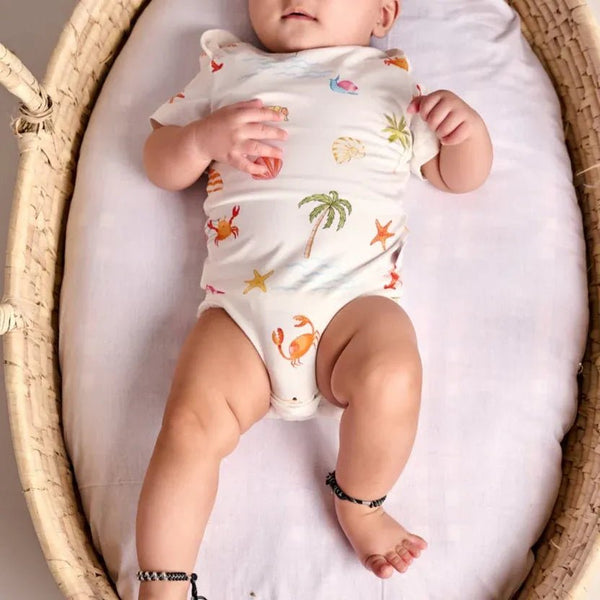
The most important activity at this stage is tummy time. Lay your baby on their front for short spells several times a day while they are awake and supervised. This builds the neck, shoulder, and back strength that underpins rolling, sitting, and crawling later. Skin comfort matters here, because a baby will protest tummy time far sooner in stiff, scratchy fabric. Soft, tag-free clothing like a breathable bamboo bodysuit lets them push up against the floor without chafing or overheating.
3 to 6 Months: Rolling, Reaching and Grabbing
Between three and six months your baby's world opens up through movement. Most babies begin rolling over, first front to back and then back to front, reaching for toys, grabbing and shaking objects, and bringing everything they can to their mouth. This mouthing is normal sensory exploration, not just teething, and it is how babies learn about texture and shape.

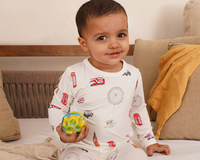
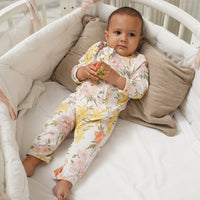
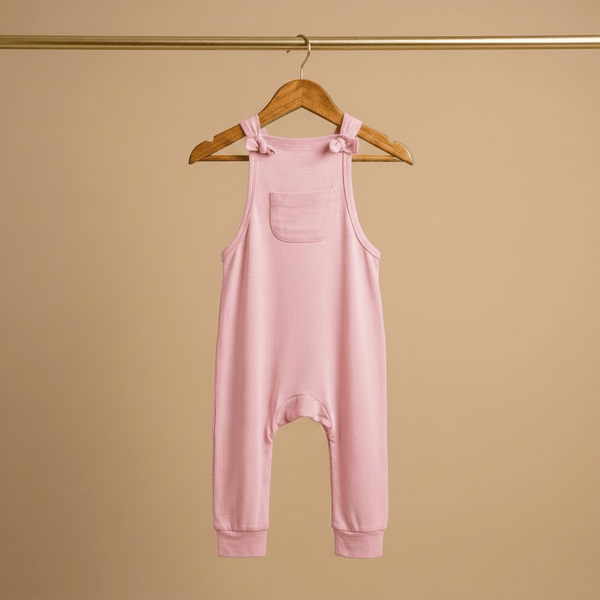
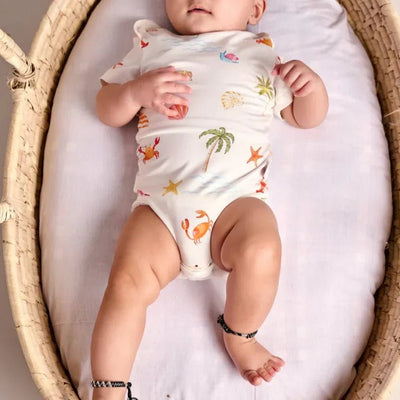
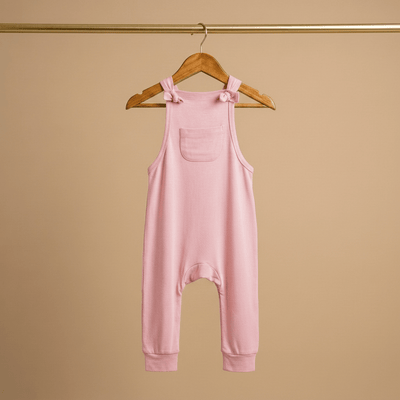
Barn Bamboo Romper
Rs. 1,500
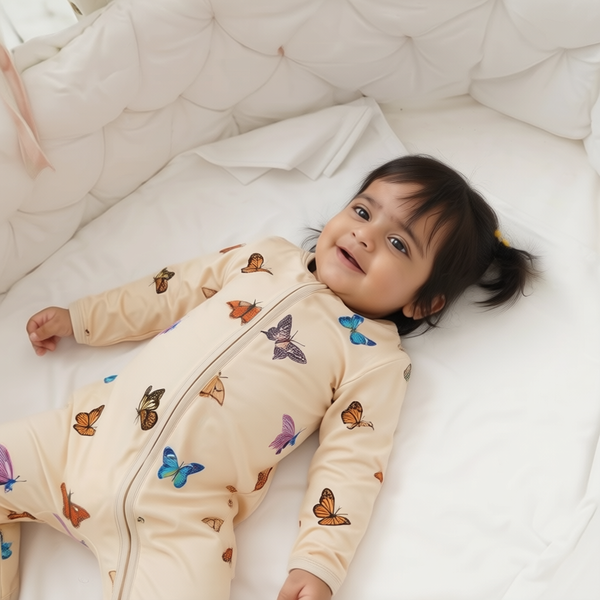
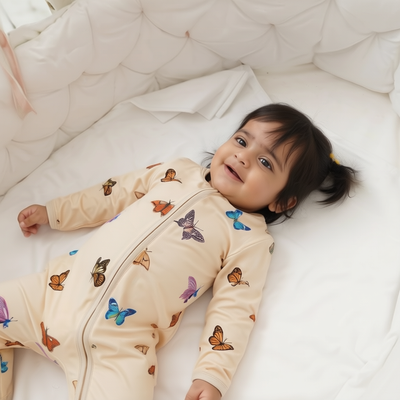
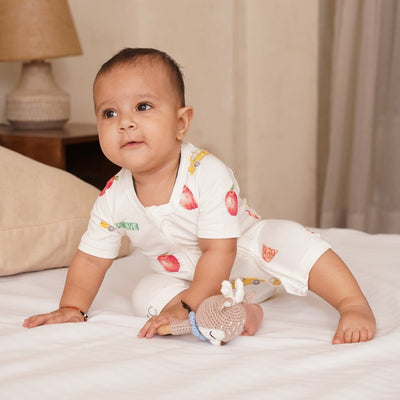
Support this stage with reaching and grasping play. Hold a rattle or a soft toy just within reach so your baby has to stretch for it, which builds hand-eye coordination and fine motor skills. Give them plenty of floor time in clothing that does not restrict the legs and hips, so rolling comes freely. A two-way bamboo zipsuit keeps them covered and comfortable during long stretches of floor play, and the bottom-up zip means a nappy change never means fully undressing a busy, wriggling baby.
6 to 9 Months: Sitting Up and Getting Ready to Crawl
This is the stage most Indian parents ask us about. Somewhere around six to eight months many babies learn to sit without support, and soon after they start rocking on hands and knees, the classic pre-crawling position. They may pass toys from hand to hand, respond to their own name, and start babbling strings of sounds like ba-ba and da-da. Object permanence is developing too, which is why peek-a-boo suddenly becomes hilarious.
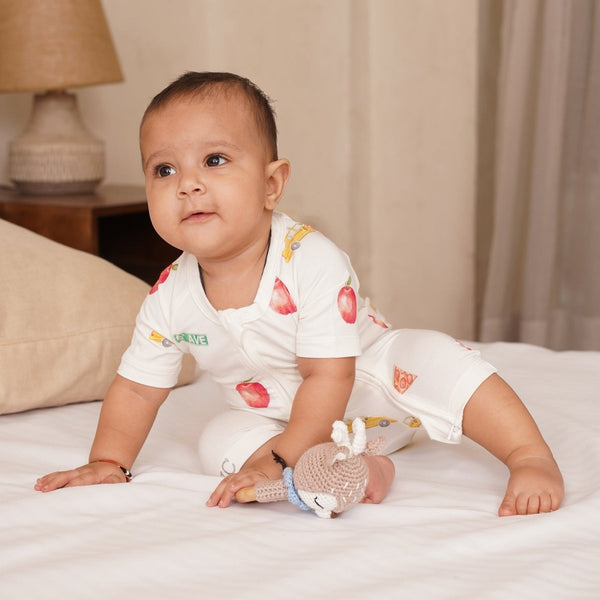
The best activities now encourage weight-bearing and mobility. Place a favourite toy just out of reach during floor play to give your baby a reason to move towards it. Sit them up with a cushion behind and let them practise balancing. Keep them in unrestrictive, breathable clothing so nothing pulls tight across the knees and tummy when they get on all fours.
How to Help Your Baby Crawl
Crawling is the milestone parents most want to encourage, and it is one you genuinely can support at home. If you are wondering how to help your baby crawl or how to encourage your baby to crawl, the answer is mostly floor time and motivation rather than any special equipment.
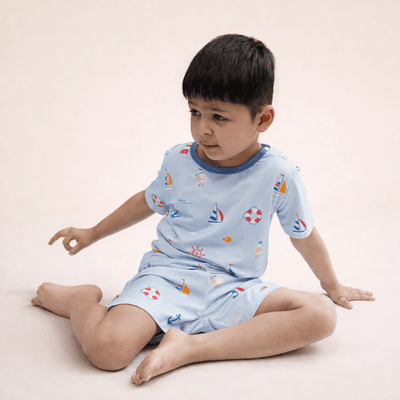
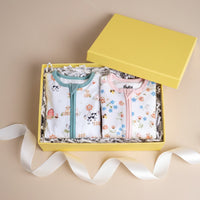
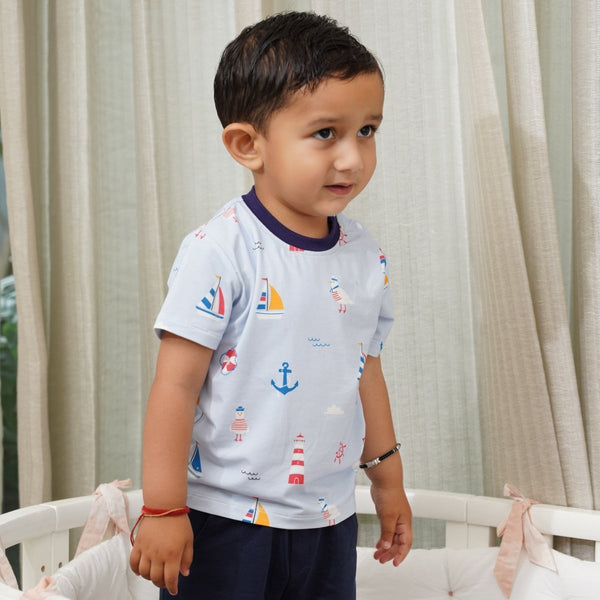
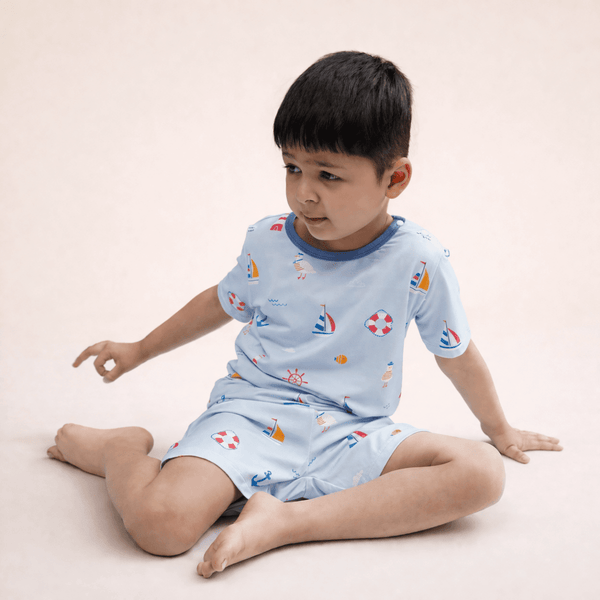
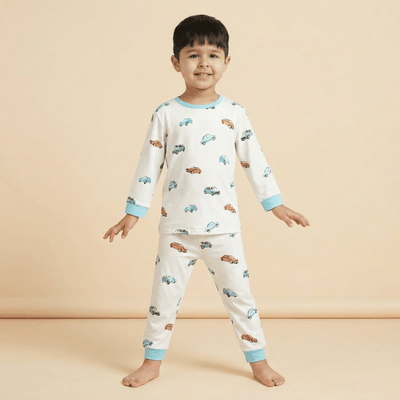
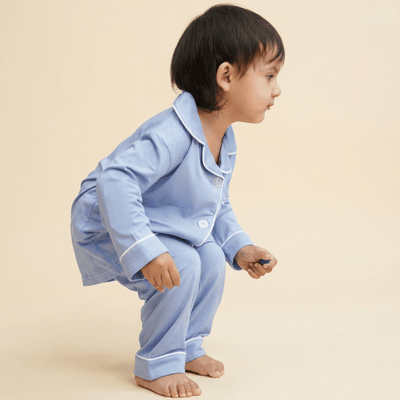
Little Sailors Bamboo Short Sleeve Set
Rs. 1,650
Start with lots of tummy time, because crawling is built on the upper-body strength that tummy time develops. Once your baby can get onto hands and knees, place a toy or your own face just beyond their reach so they have a reason to move forward. Get down on the floor and crawl yourself, since babies learn powerfully by copying you. Create a small obstacle course with cushions to climb over, and give them firm, non-slip floor space rather than a soft mattress that swallows their hands and knees.
A few gentle exercises to help your baby crawl work well too. With your baby on hands and knees, place a gentle hand behind their feet so they can push off against it. Guide them through the rocking motion while they are propped on all fours. Keep sessions short, playful, and pressure-free, and let clothing help rather than hinder. Loose, stretchy pieces that do not bunch at the knees make floor movement much easier for a determined new crawler.
If your baby is not crawling yet
Try not to panic if crawling is slow to arrive. Some perfectly healthy babies barely crawl and move straight to cruising and walking, and skipping crawling is not on its own a cause for concern. Give plenty of floor time, limit long stretches in walkers, bouncers, and prams, and let your baby work things out. If they show no interest in bearing weight on their legs or moving their body at all by around nine to ten months, mention it to your paediatrician.
9 to 12 Months: Cruising, Standing and First Steps
In the final quarter of the first year your baby moves towards standing and walking. Expect pulling up on furniture, cruising sideways along the sofa, standing while holding on, and possibly a first independent step or two by the first birthday. Fine motor skills sharpen too, with the pincer grasp letting them pick up small pieces of food between finger and thumb. First words often appear around this time, and they will understand far more than they can say.

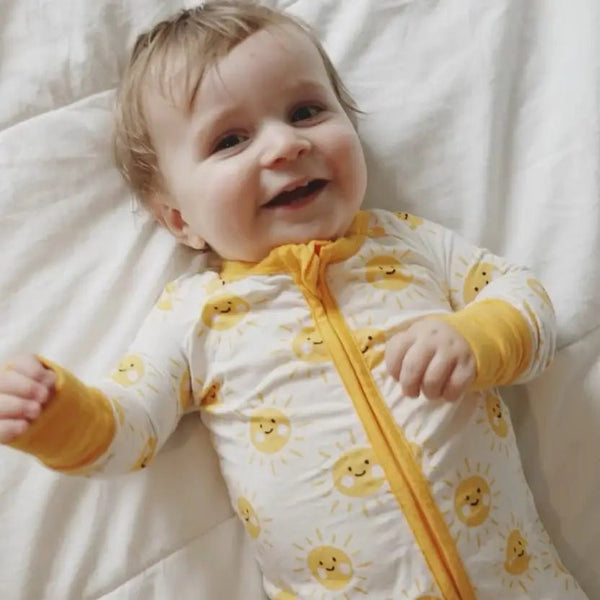
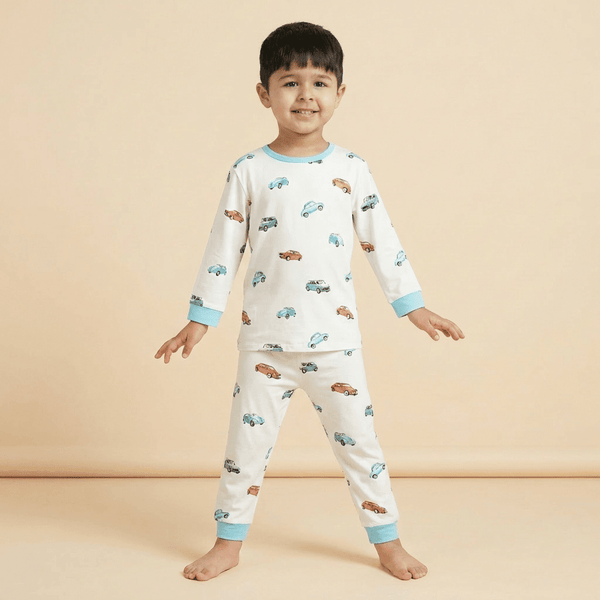
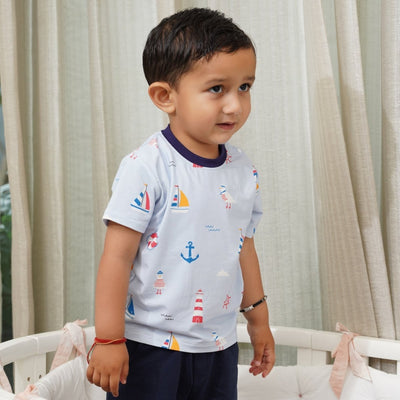
London Bamboo Long Sleeve Set
Rs. 2,050
Support cruising and early walking by arranging stable furniture your baby can move along safely. Offer both hands and let them take steps towards you. Encourage self-feeding with soft finger foods to build that pincer grasp and hand-eye coordination. Clothing that ends at the ankle rather than covering the foot gives new cruisers better grip on smooth Indian floor tiles, so footed suits are best saved for sleep and cooler days at this stage.
Everyday Activities That Support Baby Development
Beyond the stage-specific play above, a handful of simple daily habits support development right across the first year. None of them needs expensive toys.
Talk and read to your baby constantly, narrating what you are doing, because hearing language is how they learn to speak. Sing rhymes and play peek-a-boo to build memory and social skills. Offer safe household objects of different textures for sensory play, such as a wooden spoon, a cool metal katori, or a crinkly cloth. Give unhurried floor time every single day, since the floor is where gross motor skills are built. Most of all, follow your baby's lead and keep it joyful, because a relaxed, engaged baby learns best.
What Your Baby Wears Affects How They Move
It is easy to overlook, but clothing genuinely influences how freely a baby explores. Stiff, tight, or scratchy outfits cut tummy time short and make rolling and crawling harder work than they need to be. A baby who overheats or itches will fuss and give up on the very floor play that drives their milestones.
This is where fabric earns its place. Bamboo is naturally moisture-wicking and tested to feel around 3°C cooler against the skin than cotton, which keeps active babies comfortable through long play sessions in India's warmth. It is soft, stretchy, and tag-free, so nothing chafes as your baby pushes, rolls, and pivots on the floor. Bubz bamboo baby clothes are certified to OEKO-TEX Standard 100 at Product Class 1, the strictest category for garments in prolonged contact with infant skin, and use AZO-free dyes. Freedom to move, in comfort, is one small thing you fully control.
When to Talk to Your Paediatrician
Milestones are flexible, but a few signs are worth raising with a doctor rather than waiting out. Trust your instinct here, because you know your baby best. If your baby loses skills they previously had, that always deserves a prompt conversation.
Speak to your paediatrician if your baby is not making eye contact or smiling socially by around three months. Other prompts include not holding their head steady by four months, not sitting with support by nine months, or not bearing weight on their legs by ten months. Not babbling or responding to their name by nine to ten months, or showing no interest in interacting, is also worth mentioning. These are not diagnoses, simply prompts for a check, and early support when it is needed makes a real difference.
Conclusion
Baby milestones and activities across the first year are best approached with curiosity rather than anxiety. Development happens in windows, not on deadlines, and your baby is almost certainly progressing just as they should. The activities that help most are the simplest ones: daily tummy time, plenty of floor play, reaching games, talking and reading, and giving your baby the space and freedom to work their body out.
Support all of it with comfort. A baby dressed in soft, breathable, unrestrictive clothing plays longer, moves more freely, and reaches for the next milestone in their own good time. Browse the Bubz bamboo baby clothes collection for OEKO-TEX certified bodysuits, zipsuits, and rompers in sizes 0 to 24 months. They are built to move with your baby from those first wobbly head-lifts to their first proud steps.
FAQ
1. What are the main baby milestones in the first year?
In the first year most babies progress from lifting their head and smiling in the newborn months to rolling and grabbing by around six months. They then move to sitting and crawling between six and nine months, and finally to pulling up, cruising, and often first steps by twelve months. These are typical windows rather than fixed dates, and healthy babies reach them at their own pace.
2. How can I help my baby crawl?
The best way to help your baby crawl is plenty of supervised tummy time to build upper-body strength, then placing a toy just out of reach to give them a reason to move forward. Get on the floor and crawl yourself so they can copy you, build small cushion obstacle courses, and give them firm, non-slip floor space. Keep sessions short, playful, and free of pressure.
3. At what age should my baby start doing activities?
You can start gentle activities from birth. Newborns benefit from short daily tummy time, face-to-face talking, and eye contact. As your baby grows you simply match the activity to the stage. Add reaching games around three to six months, weight-bearing and moving-towards-a-toy play from six months, and self-feeding and cruising practice from around nine months. Everyday interaction is the most powerful activity of all.
4. My baby is not crawling yet, should I worry?
Usually not. Crawling arrives across a wide window, and some healthy babies skip it entirely and go straight to cruising and walking. Give lots of floor time and limit long stretches in walkers and bouncers. If your baby shows no interest in bearing weight on their legs or moving their body at all by around nine to ten months, mention it to your paediatrician for reassurance.
5. Does what my baby wears affect their development?
Indirectly, yes. Stiff, tight, or scratchy clothing cuts tummy time short and makes rolling and crawling harder, while an overheating baby fusses and gives up on floor play. Soft, breathable, stretchy fabric like bamboo keeps babies comfortable and free to move, so they spend more time doing the floor play that actually builds their milestones. Comfort is one simple factor you fully control.
Radha Joshi writes about bamboo baby clothing, infant care, and practical parenthood for Bubz India.