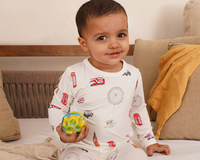
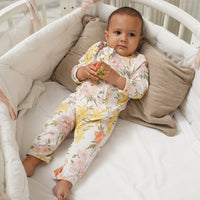
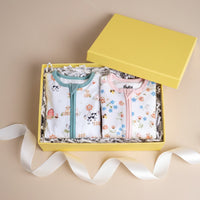
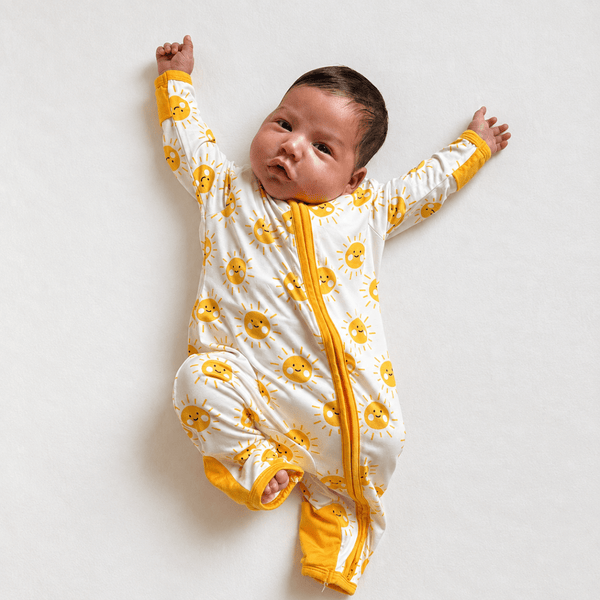

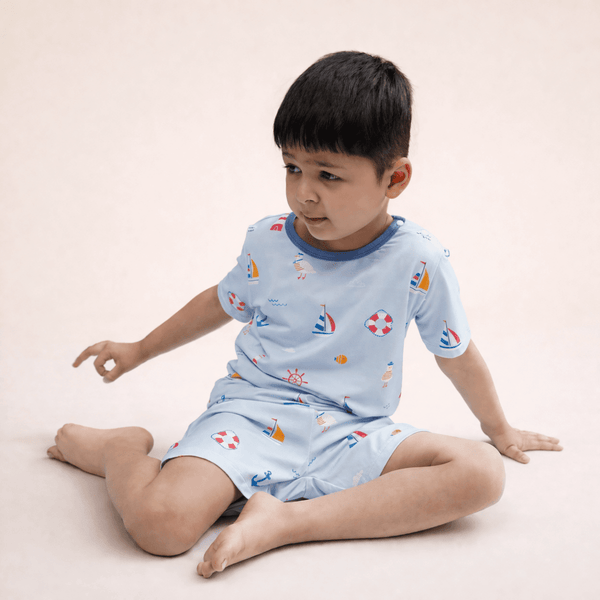

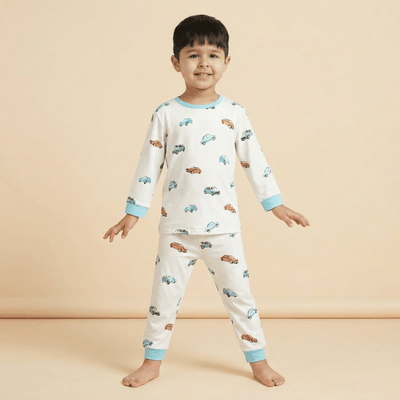
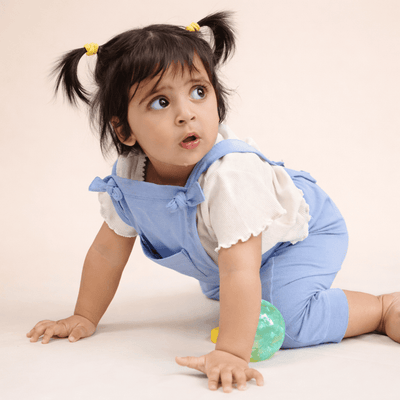
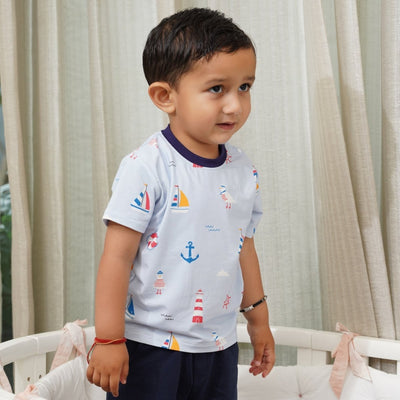
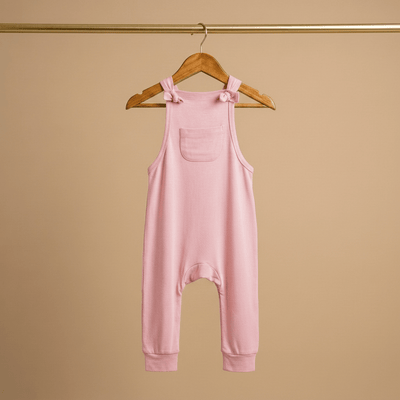
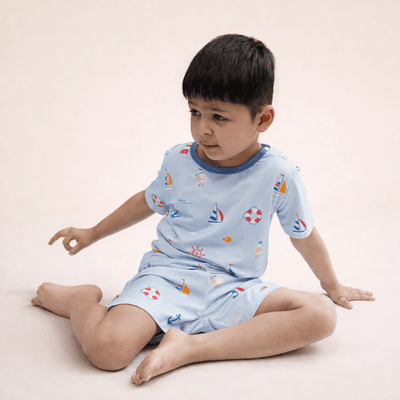
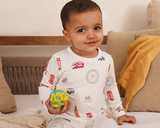

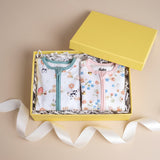

Every Indian summer, the same conversation plays out in parenting groups across the country. Is my baby too hot? Why does she keep getting that rash around the neckline? My son sweats through everything by 9 am, what am I doing wrong? The answer, almost always, is not what you are doing. It is what your baby is wearing.
Fabric choice for baby summer clothes in India matters far more than most new parents realise. A baby's skin is five times thinner than an adult's, their temperature regulation is still developing, and they cannot tell you they are uncomfortable. At Bubz, we make organic bamboo baby clothes designed specifically for the Indian climate. This guide explains why bamboo baby clothes in India are better suited to the summer than cotton, what to look for when choosing breathable baby clothes, and how to dress your baby safely across the different Indian summer scenarios, from Rajasthan heat waves to coastal Mumbai humidity.
Why Fabric Matters More Than You Think for Babies in Indian Summer
India's summer is not one thing. It is 45°C dry heat in the north, relentless 85 percent humidity on the coasts, and the strange combination of AC interiors and scorching outdoor temperatures everywhere. Dressing a baby for Indian summer means navigating this constantly shifting environment, often several times a day.
The overheating problem
Overheating in infants is a recognised risk factor for Sudden Infant Death Syndrome (SIDS), and even outside of SIDS, an overheated baby sleeps worse, feeds worse, and is more prone to heat rash. The Indian Paediatric Society notes that summer is consistently the highest season for infant heat rash presentations, most of which trace back to synthetic or tightly woven fabrics that trap heat and prevent airflow.
Most conventional baby clothes in India are made from cotton or cotton blends. Cotton feels soft, but regular cotton is a relatively poor moisture manager. Once it is wet from sweat, it stays wet against the skin. In Indian summer conditions, this creates exactly the warm, damp environment where heat rash forms.
Breathable baby clothes India: what to actually look for
When you are looking at baby summer clothes in India, the two things that matter most are moisture management (does the fabric pull sweat away from the skin?) and thermal regulation (does the fabric actively help your baby stay in a comfortable temperature range?). Thinness alone is not enough. A thin synthetic is worse than a thick natural fabric in summer because it does not breathe.
Bamboo vs Cotton Baby Clothes: What the Research Says
The comparison between bamboo and cotton for baby clothes in India comes up constantly, and it deserves a straightforward answer.
Moisture-wicking and cooling properties
Bamboo fabric is naturally moisture-wicking and tested to be approximately 3°C cooler against the skin than cotton. For a baby in a non-AC room during an Indian summer, that 3°C difference is meaningful. It is the difference between a comfortable nap and a sweaty, fussy one.

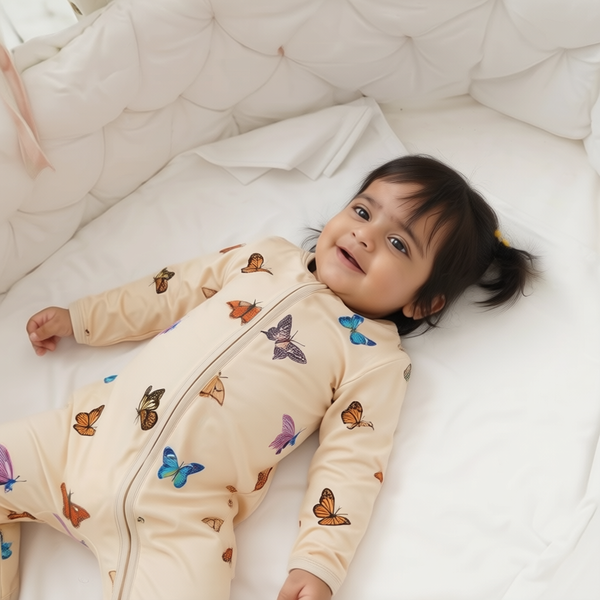
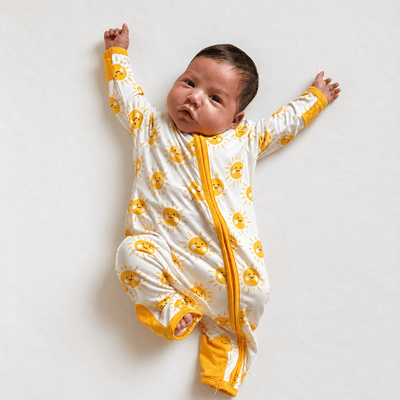
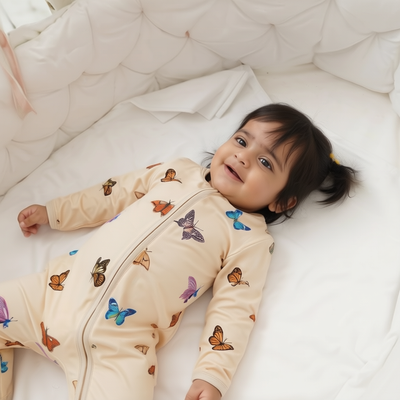
London Bamboo Zipsuit
Rs. 2,200
Bamboo achieves this because of its micro-gap structure. The bamboo fibre has tiny gaps along its length that allow heat and moisture to escape. Cotton, especially after washing, compresses its fibres and loses much of its natural breathability. This is why bamboo baby clothes in India stay noticeably cooler through the day, even after repeated washes.
Hypoallergenic and safe for sensitive skin
Bamboo is naturally hypoallergenic. It does not require pesticides to grow and, when processed correctly into fabric, retains antibacterial properties that cotton does not have. This matters for babies with eczema, heat rash, or generally sensitive skin, all of which are more prevalent in Indian summer.
The more important question is certification. Any bamboo fabric can claim to be organic; what you are looking for is OEKO-TEX Standard 100 certification, which independently verifies that the fabric has been tested free from over 300 harmful substances, including formaldehyde, heavy metals, and residual pesticides. BUBZ bamboo baby clothes are certified at Product Class 1, the strictest OEKO-TEX category, reserved for items in direct prolonged contact with infant skin.
What conventional cotton cannot offer
Conventional cotton farming uses roughly 16 percent of the world's pesticides on just 2.5 percent of the world's agricultural land. These residues stay in the fabric unless the cotton is specifically certified as organic. For organic baby clothes in India, the key is not just that the cotton or bamboo is grown organically, but that the processing, dyeing, and finishing are also chemical-free. BUBZ uses AZO-free, non-toxic dyes and lead-free snaps across the entire range, which conventional baby clothes from major retail chains in India typically do not offer.
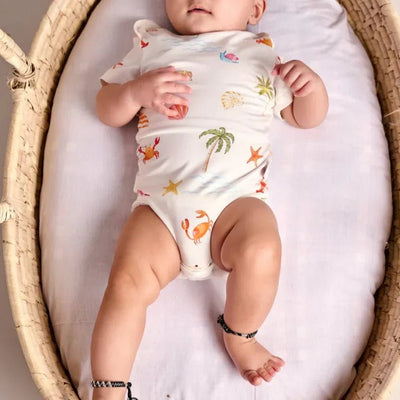
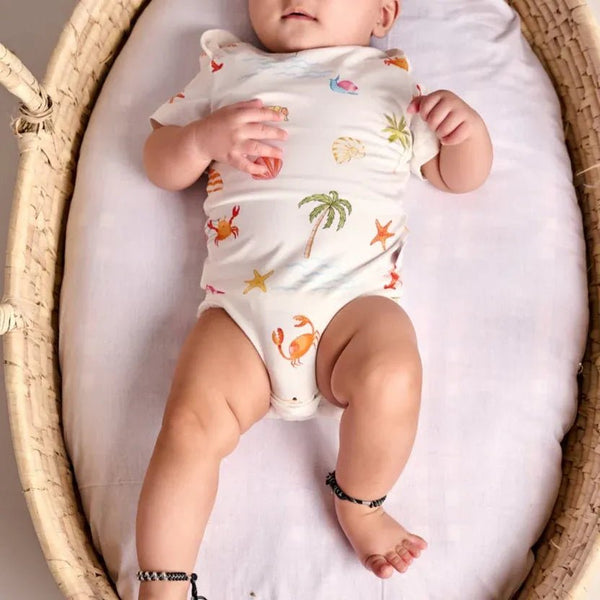
Beach Bamboo Bodysuit
Rs. 850
How to Dress Your Baby for Indian Summer (by Room Condition)
The right baby summer clothes in India depend heavily on where your baby is actually sleeping and spending their time.
Non-AC rooms (26 to 34°C)
This is the most common scenario for babies across India. A single layer of breathable bamboo baby clothes is the right call. For daytime, a short-sleeve bamboo bodysuit allows maximum airflow. For sleep, a short-sleeve bamboo zipsuit or a light bodysuit with bare legs works well in the 28 to 32°C range. Avoid layering. Avoid socks unless the room drops below 26°C. Check your baby's chest rather than hands. Hands are normally cool even when a baby is warm.
AC rooms (20 to 24°C)
A long-sleeve bamboo bodysuit or a full-length bamboo zipsuit is appropriate here. Bamboo's temperature-regulating properties mean it keeps your baby comfortable in AC without the risk of overcooling that synthetic fabrics create. The BUBZ two-way zip design means you can open from the bottom for nappy changes without fully undressing your baby, which is especially useful at night.
Transitioning between AC and outdoor heat
This is the trickiest part of dressing a baby in Indian summer. Moving from a 22°C office to a 40°C carpark can happen in under a minute. A single layer of bamboo baby clothes is the most adaptable choice here because the fabric adjusts to both ends of the temperature range. Avoid thick cotton or fleece for any outdoor transitional dressing in summer. They hold heat in a way bamboo does not.

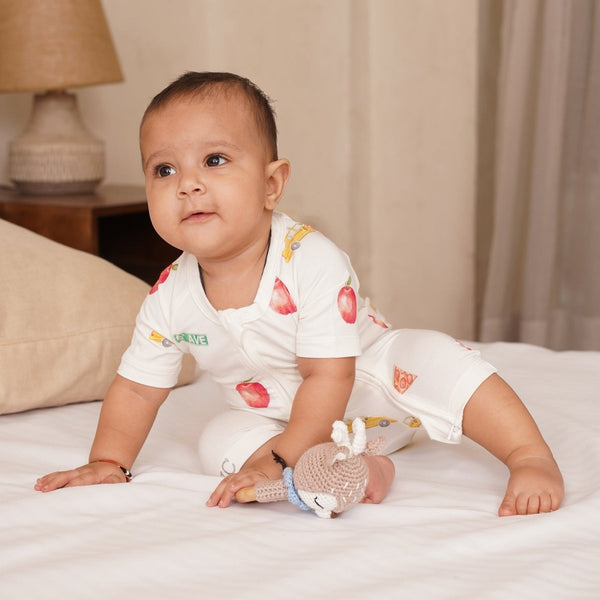
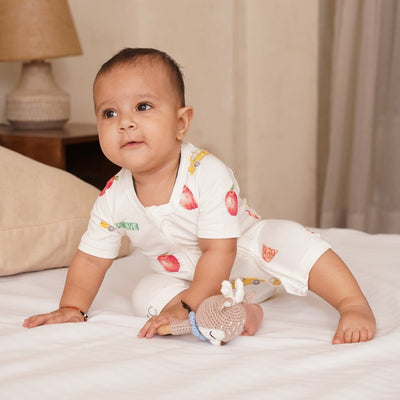
Watermelon Bamboo Romper
Rs. 1,500
Preventing Heat Rash: The Fabric Factor
Heat rash in infants typically forms in skin folds and areas where clothing traps heat and moisture. Neck folds, armpits, the crease behind the knee, and the lower back where elastic waistbands sit are the most common sites.
Why bamboo baby clothes reduce heat rash risk
The moisture-wicking property of bamboo means sweat is drawn away from the skin rather than sitting against it. This directly reduces the conditions in which heat rash forms. Parents who switch to organic bamboo baby clothes consistently report fewer heat rash episodes in summer compared to conventional cotton. The tag-free construction of the BUBZ bodysuit range also removes one of the most common mechanical irritants, the fabric label at the back of the neck, which chafes in warm and sweaty conditions.
What to do if your baby already has heat rash
Remove tight or synthetic clothing immediately. Switch to loose bamboo baby clothes with no elastic pressure on the affected area. Keep the area cool and dry. Most heat rash resolves within a few days once the irritant is removed. If the rash blisters, spreads rapidly, or your baby develops a fever, consult your paediatrician.
Choosing the Right Bamboo Baby Clothes for Indian Summer
Not all bamboo baby clothes are equal. When choosing bamboo baby clothes in India, look for: OEKO-TEX Standard 100 certification (Product Class 1 for infants under 3 months), GSM between 180 and 240 for summer garments (lighter is cooler), AZO-free dyes, and lead-free metal snaps.
The BUBZ range covers the full newborn-to-toddler spectrum in organic bamboo at 220 GSM, ideal for Indian summer. The BUBZ bodysuits are the right choice for daytime wear, the zipsuits for sleep, and the bamboo rompers for daytime outings. If you are building a newborn summer wardrobe from scratch, the BUBZ bundles give you a coordinated rotation of summer-appropriate pieces sized from 0 to 24 months.
Conclusion
Choosing bamboo baby clothes in India for the summer is not about following a trend. It is the practical, evidence-backed choice for a baby who will spend the next six months in heat that most Western baby clothing brands are not designed for. Bamboo's moisture-wicking properties, natural breathability, hypoallergenic surface, and temperature-regulating structure make it the most rational fabric choice for breathable baby clothes in India, particularly in the first year when your baby cannot tell you what is wrong.
If your baby is running warm, check the fabric first. If you are still dressing your newborn in conventional cotton in June, the switch to organic bamboo baby clothes is one of the highest-impact and most immediate changes you can make to their comfort this summer.
Browse the BUBZ summer bamboo collection for the full range of OEKO-TEX certified bamboo baby clothes, from bodysuits for the heat to lightweight zipsuits for AC rooms, available in sizes 0 to 24 months.
Radha Joshi writes about bamboo baby clothing, infant care, and practical parenthood for Bubz India.