























No one tells you that the first six weeks of breastfeeding are the hardest part of new motherhood, and most of what you read online makes it sound far simpler than it is. The truth is that breastfeeding is a skill, not an instinct, and almost every new mom in India struggles in some way during those early weeks. Cracked nipples, cluster feeding, the question of whether your baby is getting enough milk, the relatives with strong opinions, the 3 a.m. feeds in a 35°C bedroom. It is a lot.
This is the breastfeeding guide for new moms in India that we wish someone had handed you in the hospital. It is honest, it is practical, and it is rooted in what actually works in an Indian home in 2026. At Bubz, we make bamboo babywear because new moms deserve clothes that make those endless feeding sessions a little easier. Our bamboo bodysuits and two-way zip zipsuits are designed so that night feeds, day feeds, and post-feed nappy changes happen with the least fuss possible. But the clothing is a small part of this story. The rest is about you and your baby figuring each other out.
Why the First 6 Weeks of Breastfeeding Are the Hardest
In the first two weeks, your body is still working out how much milk to make and your baby is still learning how to draw it out. This is biological negotiation in real time. Your milk supply is regulated by demand, which means the more your baby feeds in those early days, the more milk your body produces. Cluster feeding, where your baby seems to feed almost continuously for hours, is not a sign that you do not have enough milk. It is your baby doing the work of building your supply.
By week three or four, things usually start to settle. The latch becomes more efficient, your nipples toughen up, and the feeding pattern becomes more predictable. By week six, most mothers report that breastfeeding feels manageable rather than overwhelming. The "it gets easier" line is genuinely true, and the timeline is roughly six weeks.
What is actually happening in your body
The first milk, called colostrum, is thick and yellow and produced in very small quantities. This is normal. A newborn's stomach is the size of a cherry on day one and can only hold about 5 to 7 ml. Mature milk comes in around day three to five, and supply continues to adjust based on how often and how effectively your baby feeds for the next several weeks.
Getting the Latch Right (The Single Most Important Skill)

Vintage Wheels Bamboo Zipsuit
Rs. 2,200
If you do one thing well in the first week, make it the latch. A deep, correct latch is the difference between comfortable feeding and weeks of pain. It is also the single biggest factor in whether your baby gets enough milk.
What a deep latch looks like
Your baby's mouth should be open wide, with both lips flanged outward like a fish. Their chin should be pressed into your breast and their nose should be free or only just touching. You should see more of the dark area of your areola above their top lip than below their bottom lip. Feeding should not hurt beyond the first 10 to 20 seconds of latching. If pain continues throughout the feed, the latch is shallow and needs to be corrected.
How to fix a shallow latch

Blossoms Bamboo Bodysuit
Rs. 850
Break the suction gently by sliding your little finger into the corner of your baby's mouth, then start again. Bring your baby to your breast rather than leaning your breast down to your baby. Aim your nipple at the roof of their mouth, not the centre. It can take ten or fifteen attempts in a single feed in the early days. This is normal.
When and where to ask for help
If breastfeeding still hurts after the first week, or if your baby is not gaining weight as expected, ask for help early. In India, the Breastfeeding Promotion Network of India (BPNI) has resources and a helpline. Most urban hospitals now have lactation consultants on staff. Many private paediatricians can refer you. La Leche League India runs monthly meetings in several cities. Do not wait until week six to ask. The earlier you get hands-on support, the easier the rest of the six weeks becomes.
Breastfeeding Positions That Work for Indian New Moms

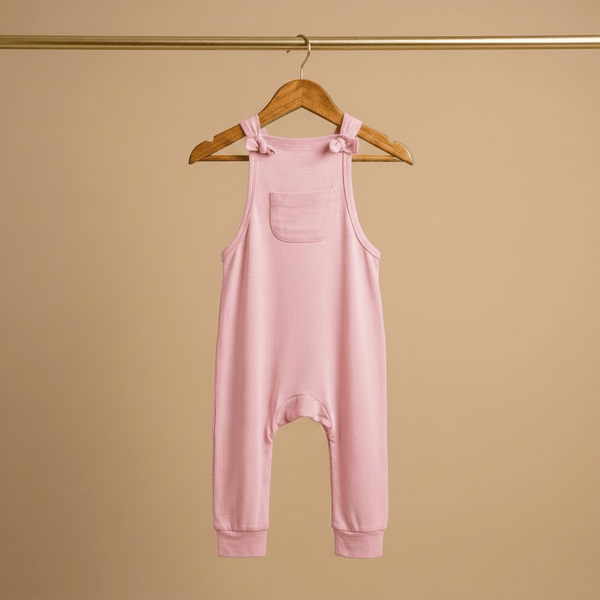
Watermelon Bamboo Romper
Rs. 1,500
There is no single correct breastfeeding position. Different positions suit different bodies, different babies, and different stages of recovery.
The cradle hold is the most familiar. Your baby lies across your body, their head resting in the crook of your arm on the side of the breast they are feeding from. This works well once you and your baby are both comfortable with the latch.
The football hold, where your baby is tucked under your arm with their feet pointing behind you, is particularly useful after a C-section because it keeps your baby's weight off your abdomen. It is also helpful if you have larger breasts or if your baby is struggling with a deep latch.
The side-lying position lets you breastfeed while lying down on your side, your baby parallel to you. This is the position that will get you through night feeds in the first six weeks. Learning this in the first week makes the difference between sleeping and not sleeping.
The laid-back or biological nurturing position has you reclined with your baby lying tummy-down on your chest. This uses your baby's natural reflexes to find the breast and is especially calming for newborns who are fussy at the breast.
How to Know Your Baby Is Getting Enough Breast Milk
This is the question that keeps new moms awake. Indian mothers in particular face a lot of well-meaning advice that confuses the issue. Here is what the evidence actually says.
The wet diaper count
From day five onwards, your baby should have at least six wet diapers and three to four poops in 24 hours. This is the most reliable everyday signal that they are getting enough milk. In the first three days, output will be lower because intake is still building.
Weight gain expectations
Newborns typically lose up to 7 to 10 percent of their birth weight in the first week. They should regain birth weight by week two and then gain roughly 150 to 200 grams per week for the first three months. Your paediatrician will track this at routine visits.
Behavioural signs
A well-fed baby comes off the breast looking relaxed, sleeps for at least a short stretch after feeds, and is generally alert when awake. Some fussiness is normal. Constant inconsolable crying combined with very few wet diapers is not, and warrants a call to your paediatrician.
Common Breastfeeding Problems in the First 6 Weeks
Almost every new mom will hit at least one of these. None of them mean breastfeeding has failed.
Cracked or sore nipples almost always come from a shallow latch. Fix the latch first. Then use expressed breastmilk, lanolin, or a paediatrician-recommended ointment between feeds. Air-dry your nipples when possible.
Engorgement happens around day three to five when milk first comes in. Feed often, use cool compresses between feeds, and warm compresses just before feeding to help let-down. It typically resolves within 24 to 48 hours.
Cluster feeding usually peaks around day three, week three, and week six, often coinciding with growth spurts. Your baby may feed every 45 minutes for hours. This is not a supply problem. It is your baby ordering more milk for tomorrow. Eat, hydrate, and ride it out.
Low milk supply concerns are extremely common but actual low supply is relatively rare. Frequent effective feeding is the single best way to build and maintain supply. Pumping in addition to feeds in the first weeks can help if your baby is not nursing well.
Mastitis presents as a painful, hot, red patch on the breast, often with fever and flu-like symptoms. Do not wait this one out. Call your doctor. You can usually continue breastfeeding through mastitis with appropriate treatment.
What to Eat to Support Breast Milk Supply (Indian Foods Edition)
Indian traditional postpartum diets contain many genuine galactagogues, which are foods that support milk production. Methi (fenugreek), ajwain (carom seeds), saunf (fennel), gond (edible gum) ladoos, dink ladoos, and oats all have some evidence behind them. Drinking enough water is non-negotiable. Most lactating mothers need 3 to 4 litres a day in Indian climates.
What is more important than any single food is eating regularly and enough. Skipping meals affects supply more than missing any particular ingredient. Caffeine and alcohol pass into breast milk, so moderate intake of coffee and tea is fine but worth limiting in the first weeks.
Setting Up Your Feeding Setup at Home
A small amount of preparation makes the first six weeks dramatically easier. Set up one or two nursing stations in the house with water, snacks, a charged phone, burp cloths, and a comfortable feeding pillow. Your back will thank you.
Easy-access baby clothing matters more than most moms realise until they are in it. Bamboo bodysuits with envelope necklines come on and off in seconds, which matters for the multiple outfit changes a newborn will go through in a day. A two-way zip bamboo zipsuit makes night feeds and night nappy changes possible without fully waking your baby. The Bubz bamboo range is OEKO-TEX Standard 100 certified and made from 220 GSM bamboo, which means it stays soft through the daily washing that comes with a newborn.
For mom, button-down or wrap nursing tops save time. Skin-to-skin contact, especially in the first weeks, also boosts your supply.
When Breastfeeding Isn't Working, and That's Okay
Not every breastfeeding journey looks the same and that is genuinely fine. Some moms combo feed with formula from week one. Some exclusively pump and bottle feed. Some breastfeed for six weeks and then move to formula because their body, their job, or their mental health needs the change. Fed is best is not a slogan, it is the truth. A baby raised on formula in 2026 is a healthy, thriving baby. A breastfeeding journey that ends at six weeks is still a six-week gift.
If you choose to breastfeed for as long as you can and then transition, that is a real choice and not a failure. The first six weeks of any feeding journey deserve support, whatever shape they take.
Conclusion
The first six weeks of breastfeeding are mostly about getting through the day, getting the latch right, and trusting your body. Most moms who struggle in week one are feeding comfortably by week six. The right help, the right setup, and the right amount of patience with yourself make most of the difference.
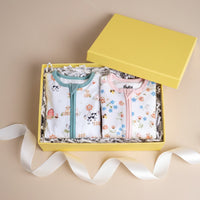
If you are building a baby wardrobe that supports easy feeding and easy nappy changes from day one, the Bubz newborn essentials bundle is built for exactly this stage. And if you are a friend or relative looking for a baby shower gift that a new mom will actually use, our bamboo gifting collection is designed for the first six weeks at home.
Radha Joshi writes about bamboo baby clothing, infant care, and practical parenthood for Bubz India.