























If you are parenting a baby, you have probably Googled some version of this at 2 p.m. Why does my baby fight naps, and why are short naps ruining the whole day. A solid baby sleep routine can change that, but nap time is often where things feel the messiest.
At Bubz, we design everyday essentials like zip suits, bodysuits, and rompers that parents actually use all day, not just at bedtime. Soft fabric, comfortable stretch, and quick changes matter most during naps, because the goal is always the same. Help your baby settle quickly and stay comfortable long enough to rest.
This guide shares a practical daytime nap routine you can start today. It is built around what parents struggle with most. Short naps, nap resistance, overtired spirals, and a baby sleep schedule that feels impossible to stabilise.
Introduction
Naps are not optional. Daytime sleep supports mood, feeding, growth, and learning. It also affects nights. When daytime sleep is chaotic, bedtime often becomes harder, and night wakes can increase.
A consistent nap routine for better sleep works because it supports three things your baby needs to sleep well. The right timing (sleep pressure), the right cues (predictability), and the right conditions (sleep environment). Put those together, and you give your baby the best shot at connecting sleep cycles and waking up less cranky.
Parents often assume the solution is a stricter schedule. Most of the time, the solution is a better system. The best baby sleep routine is flexible, repeatable, and based on your baby’s patterns.
How to Build a Baby Sleep Routine for Naps
Before the steps, here is the principle that makes everything easier. Your nap routine should be a short sequence that you can repeat in the same order, most days, in most places. It should not rely on perfect silence, perfect timing, or long rituals.
The steps below are designed to help you build a consistent nap routine that fits real life, and improves your baby’s overall sleep rhythm over time.

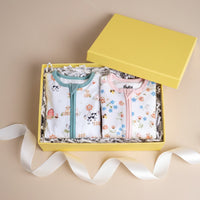
Vintage Wheels Bamboo Long Sleeve Set
Rs. 1,950
Step 1: Anchor naps to wake windows, not the clock
Wake windows are the amount of time your baby can stay comfortably awake before they tip into overtiredness. This is one of the most important parts of a strong baby sleep routine.
If your baby fights naps, take a close look at timing. An overtired baby often looks wired and fussy, and may take short naps. An under-tired baby may play happily and resist sleep for a long time.
Use wake windows as your starting point, then adjust based on your baby’s behaviour and nap length. Over time, you will learn your baby’s personal rhythm.
Step 2: Use sleep cues to start the routine earlier
Sleep cues are your early warning system. Yawning, rubbing eyes, zoning out, losing interest in toys, and sudden fussiness can all signal that sleep pressure is building.

Little Sailors Bamboo Zipsuit
Rs. 2,200
The mistake most parents make is waiting until cues are intense. By then, your baby may already be overtired. Start your nap routine when you see the first signs, not when your baby is crying.
Step 3: Build a simple pre nap sequence that takes 3 minutes
If you are wondering how to put baby down for naps without turning it into a full production, keep it short and consistent.
A simple pre nap sequence could look like this. Diaper change. Comfortable nap clothing. Curtains closed or lights dimmed. White noise on. Quick cuddle. Into the crib.
The goal is not to make it long. The goal is to make it familiar. That is what builds a reliable daytime nap routine.

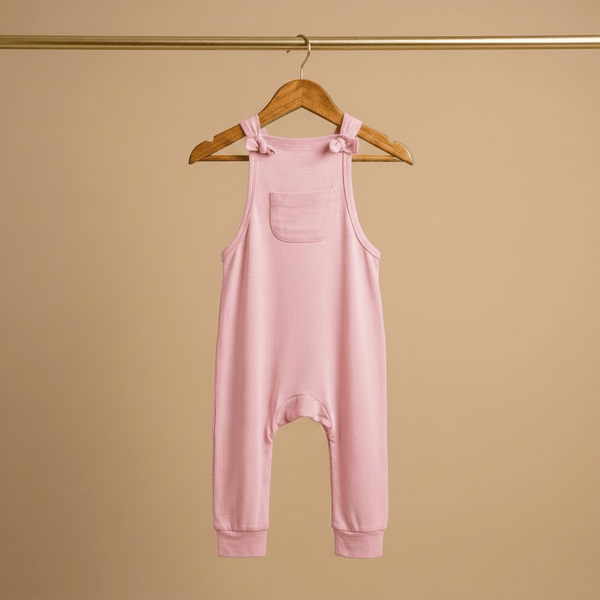
Collared Bamboo PJs in Mauve
Rs. 2,200
Step 4: Optimise the sleep environment for daytime sleep
Baby sleep is sensitive to light, noise, and temperature. Daytime naps fail more often because the environment feels different from nighttime. Your baby’s brain stays alert.
Try to keep the nap space consistent. Dim the room. Use steady white noise. Keep the temperature comfortable. Use a safe sleep setup with a firm mattress and no loose items.
Comfort matters too. Babies who wake due to overheating, scratchy fabric, or restrictive clothing may struggle to link sleep cycles. This is where breathable, soft essentials like zip suits, bodysuits, and rompers can support nap comfort without making the routine feel complicated.
Step 5: Teach a gentle settling method that supports self soothing
Self soothing is a skill, but it builds gradually. Many babies still need help settling. The goal is not to remove comfort. The goal is to use consistent settling cues so your baby learns what sleep feels like.
If your baby needs rocking, do it. If they prefer a hand on their chest, do it. Try to keep the method consistent for a week so your baby is not learning a new approach every day.
If you are working on reducing crying, focus on earlier timing, a calmer environment, and a predictable routine first. Those three reduce resistance more than any single technique.
Step 6: Create a baby nap schedule by age, then adapt it to your baby
A baby nap schedule by age is a helpful starting point, not a rulebook. Babies vary. Growth spurts, teething, illness, travel, and developmental leaps can all shift sleep patterns.
Use age ranges to guide the number of naps, then use your baby’s wake windows and sleep cues to fine tune timing. When naps stabilise, your baby sleep schedule often becomes easier across the whole day.
Quick Reference or Summary Table
Use this table as a fast guide when planning a nap schedule for babies. These are typical ranges, not strict targets.
| Age | Typical number of naps | Typical wake windows | What to focus on |
|---|---|---|---|
| 0 to 3 months | 4 to 5 | 45 to 90 minutes | Short routine, sleep cues, calm environment |
| 3 to 6 months | 3 to 4 | 90 to 150 minutes | Consistency, start linking sleep cycles |
| 6 to 9 months | 3 | 2 to 3 hours | Predictable routine, stable nap environment |
| 9 to 12 months | 2 | 3 to 4 hours | Protect the two core naps, avoid late catnaps |
| 12 to 18 months | 1 to 2 | 3 to 4.5 hours | Transition planning, keep cues consistent |
Final Thoughts
The best baby sleep routine is built on repeatable steps, not strict rules. When you align wake windows, sleep cues, and a calm sleep environment, naps get easier. When naps get easier, nights often improve too.
If you want to explore nap friendly essentials designed for comfort and quick changes, you can browse Bubz at bubz.in, or see our zip suits collection. Many parents use zip suits, bodysuits, and rompers as part of their daytime routine because comfort and practicality matter most when you are trying to protect baby sleep.
Start small. Pick one nap, repeat the same routine for a week, and adjust timing gently. Consistency builds confidence, for your baby and for you.