
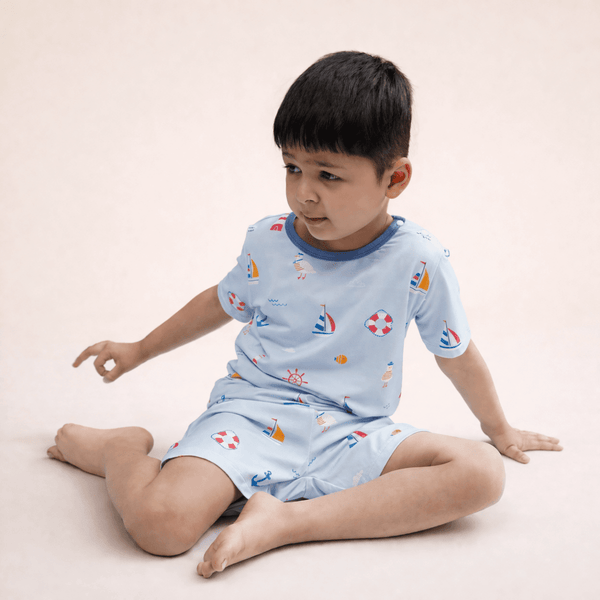

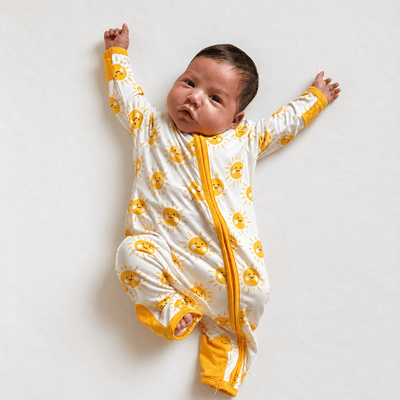
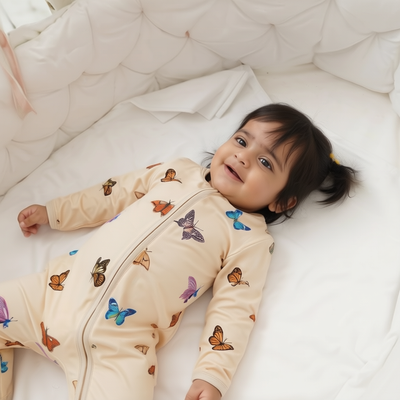
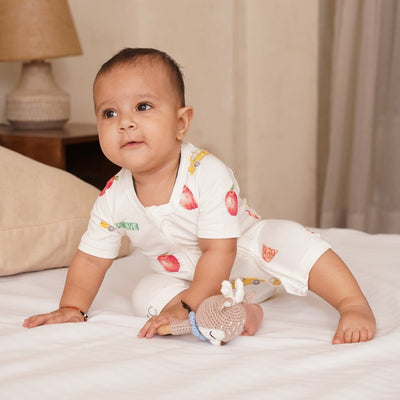
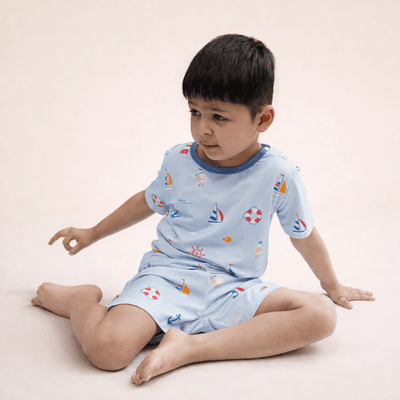
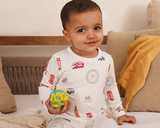
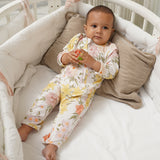
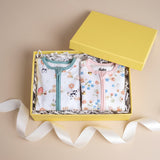

The Indian monsoon is a relief after the summer, but for a new parent it introduces a whole new set of dressing questions. The air is thick with humidity, clothes take two days to dry on the line, and that damp, sticky feeling never quite leaves your baby's skin. Every year around July, parenting groups fill with the same worries: my baby has a rash that won't clear, everything smells musty, she feels clammy even in a light outfit. Monsoon dressing for your baby is genuinely different from summer or winter dressing, and getting it right comes down almost entirely to one thing: fabric.
At Bubz, we make organic bamboo baby clothes built for exactly this kind of Indian weather. This guide covers how to dress your baby in the monsoon in India and what fabric works best in high humidity. It also explains how to prevent the fungal and heat rashes that spike during the rainy season, and how to manage clothes that never seem to dry. Whether you are in coastal Mumbai, dripping Kerala, or a humid Kolkata July, the principles for monsoon baby care are the same.
Why Monsoon Dressing for Babies Is Different
Summer is about heat. Winter is about warmth. The monsoon is about moisture, and moisture is a much trickier thing to dress a baby for. Temperatures during the Indian monsoon usually sit in a comfortable-sounding 26 to 32°C range, which fools many parents into dressing their baby exactly as they would in summer. The problem is not the temperature. It is the humidity, which regularly climbs above 85 percent and sometimes past 95 percent along the coasts.
At that humidity, sweat does not evaporate. It sits on your baby's skin and soaks into whatever they are wearing. A baby's skin is around five times thinner than an adult's, their sweat glands are still developing, and they cannot tell you they feel clammy or itchy. So the damp just stays there, trapped against the skin, creating the warm and wet conditions where prickly heat, fungal rash, and nappy rash all thrive. This is why choosing the right baby clothes for the monsoon in India matters far more than the number on the thermometer suggests.
The humidity trap that catches most parents
The instinct in the rainy season is often to add a layer, because it feels cooler and there is rain about. In practice, a second layer in monsoon humidity is usually a mistake. It traps a pocket of warm, moist air against your baby and makes everything worse. What your baby actually needs in the monsoon is a single layer of breathable, moisture-wicking, quick-drying fabric that moves sweat away from the skin and dries fast when it inevitably gets damp.
Best Fabric for Baby Clothes in the Monsoon
If summer is when fabric matters, the monsoon is when it matters most. The three properties you want in monsoon baby clothes are breathability, moisture-wicking, and quick-drying. Regular cotton, which most conventional baby clothes in India are made from, struggles on all three in high humidity.
Why cotton lets you down in the rainy season
Cotton feels soft and is genuinely breathable when dry. But cotton is a poor moisture manager: once it absorbs sweat or damp, it holds onto it and stays wet against the skin for a long time. In monsoon humidity, cotton baby clothes can take an entire day or more to dry, whether on your baby or on the line. That slow-drying quality is exactly what encourages mustiness, mildew smell, and the fungal skin irritation that spikes in the rainy season.
Why bamboo fabric suits the Indian monsoon
Bamboo fabric is naturally moisture-wicking and tested to feel around 3°C cooler against the skin than cotton, thanks to a micro-gap fibre structure that lets heat and moisture escape rather than sit trapped. In practical monsoon terms, that means bamboo baby clothes pull sweat away from your baby's skin instead of holding it there. They also dry noticeably faster than cotton, an enormous advantage in a season when nothing on the drying rack seems to dry at all.

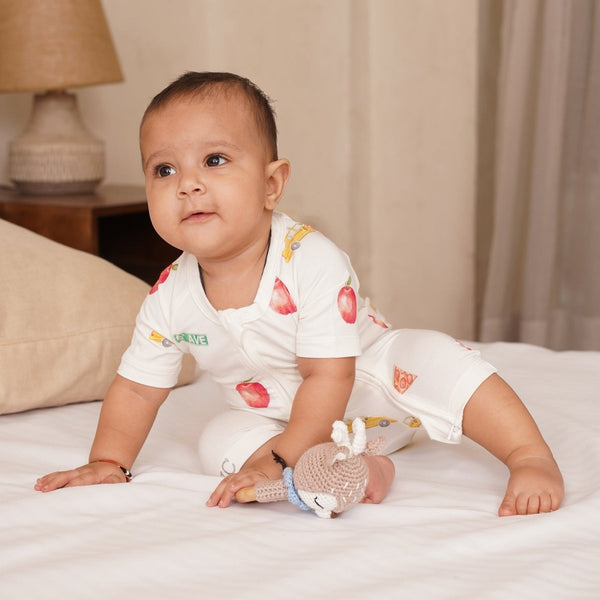
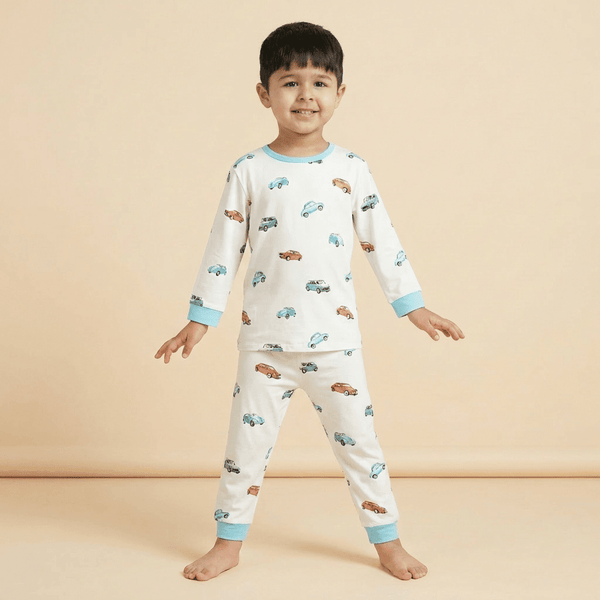
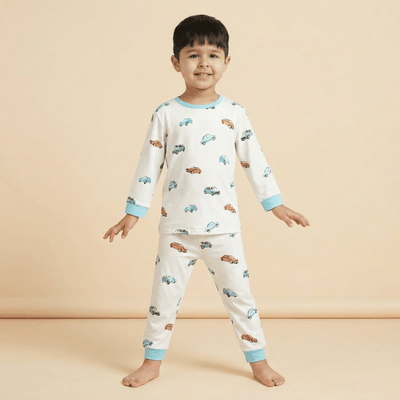
Alphabet Adventure Bamboo Long Sleeve Set
Rs. 1,950
Bamboo is also naturally antibacterial and hypoallergenic. Because bamboo fibre resists bacterial and fungal growth, it is far better suited than cotton to the damp, warm monsoon environment where these microbes multiply. For babies prone to eczema, prickly heat, or sensitive skin, all of which flare in the rainy season, breathable bamboo baby clothes are one of the simplest changes you can make.
The one thing to insist on is certification. Any fabric can be labelled organic; what independently verifies safety is OEKO-TEX Standard 100 certification, which tests fabric free of over 300 harmful substances. Bubz bamboo baby clothes are certified at Product Class 1, the strictest OEKO-TEX category, reserved for garments in direct prolonged contact with infant skin, and use AZO-free, non-toxic dyes with lead-free snaps.
How to Dress Your Baby in the Monsoon (By Situation)
The right monsoon outfit for your baby depends on where they are and what the day is doing. Here is how to think about dressing a baby in the rainy season across the situations you will actually face.
Indoors on a humid, non-AC day (28 to 32°C)
This is the default monsoon setting for most Indian homes. Keep it to a single breathable layer. A short-sleeve bamboo bodysuit during the day gives maximum airflow, and a light bamboo zipsuit works well for naps and night. Skip socks unless the room genuinely cools down, and check your baby's chest or the back of the neck rather than their hands to judge whether they are too warm. Hands run cool even on a comfortable baby.

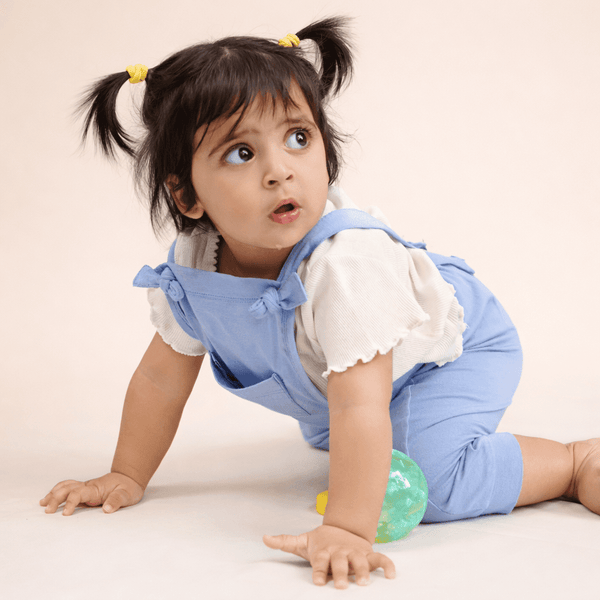
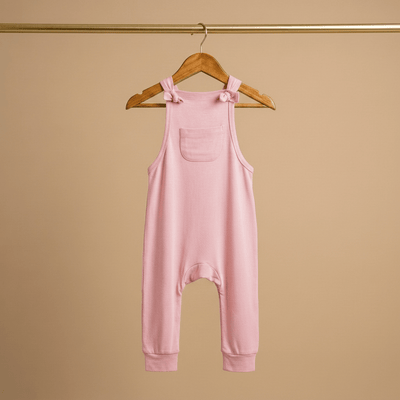
Bamboo Ribbed Zipsuit in Powder Blue
Rs. 1,700
In an AC room during the monsoon (22 to 25°C)
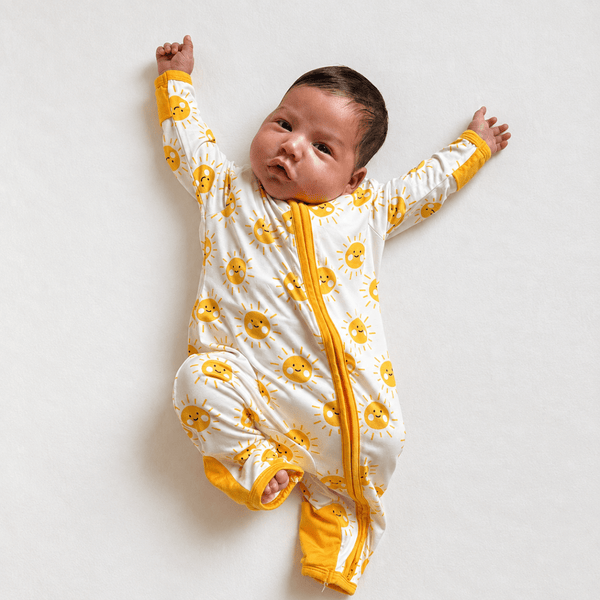
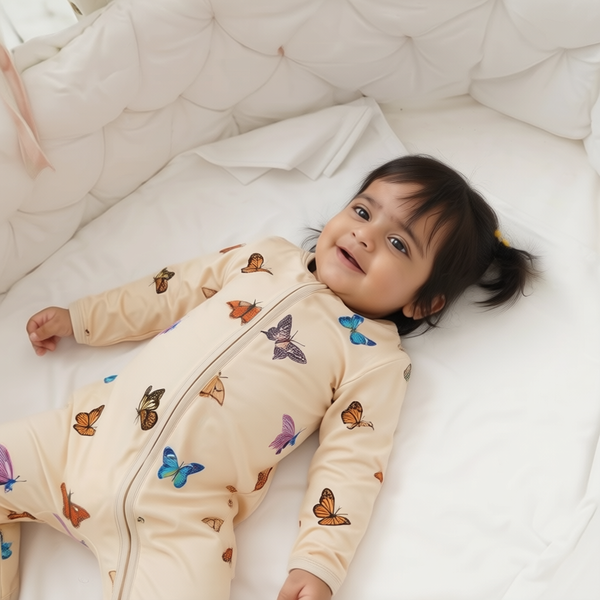
Many families run the AC in the monsoon precisely to pull moisture out of the air, which is a good instinct. In a cooler, drier AC room, a long-sleeve bamboo bodysuit or a full-length bamboo zipsuit is appropriate. Bamboo's temperature-regulating structure keeps your baby comfortable without the overcooling that synthetics can cause. The Bubz two-way zip design lets you open from the bottom for nappy changes without fully undressing your baby, which matters on damp monsoon nights when you want to disturb them as little as possible.
Going out in the rain
For short outings, keep your baby in a single dry bamboo layer under a waterproof cover, pram rain cover, or carrier cover rather than bundling them in extra clothing. The goal is to keep the rain off from the outside while letting their base layer breathe. The moment you get home, change them out of anything that has become even slightly damp. A wet base layer left on in monsoon humidity is the single most common cause of the rashes parents write to us about in July and August.
Preventing Monsoon Rashes: The Fabric and Dryness Factor
The monsoon is peak season for three baby skin problems, and all three are closely tied to damp fabric sitting against the skin.
Prickly heat, fungal rash and nappy rash
Prickly heat, or heat rash, forms where sweat gets trapped, typically in the neck folds, armpits, the crease behind the knees, and along the nappy line. In the monsoon, the high humidity means sweat lingers longer, so these areas stay damp for longer. Fungal rashes thrive in exactly this warm, moist environment, and nappy rash worsens when the nappy area cannot stay dry. In every case, the fix is the same: keep the skin as dry as possible, and choose fabric that wicks moisture away rather than holding it against the body.
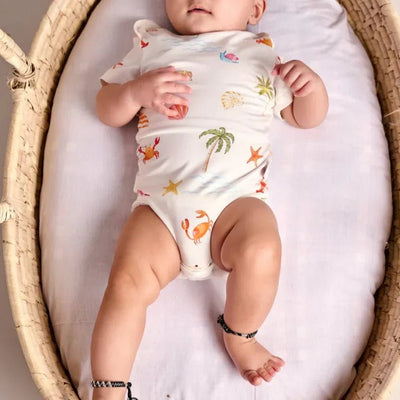
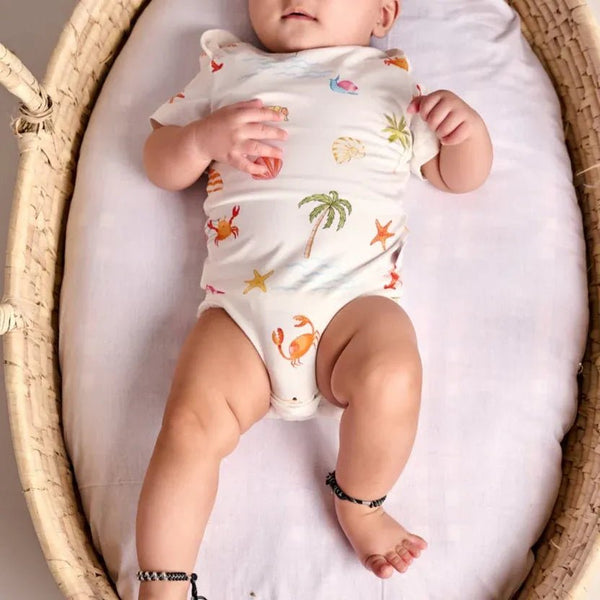
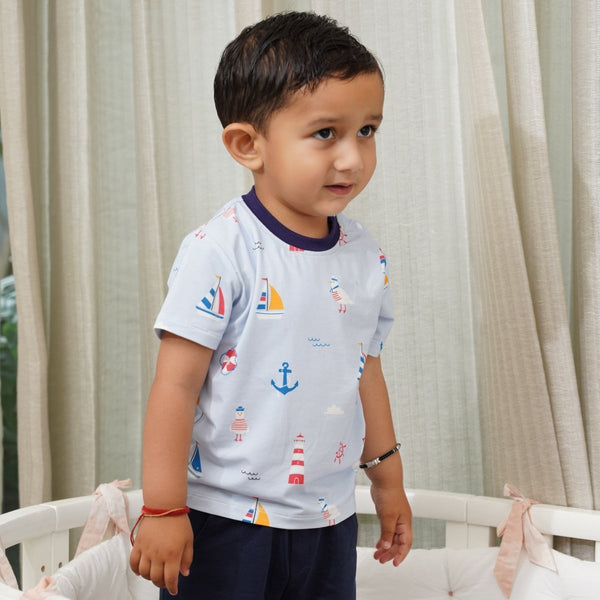
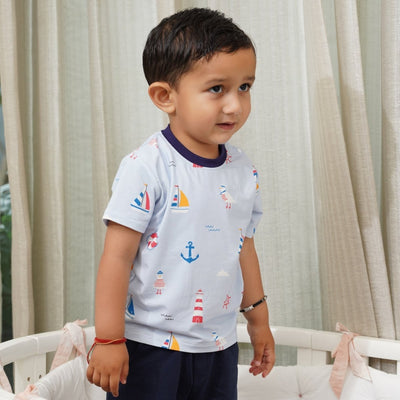
Beach Bamboo Bodysuit
Rs. 850
How breathable bamboo baby clothes help
The moisture-wicking property of bamboo draws sweat away from the skin, and its natural antibacterial quality discourages the fungal growth that the monsoon encourages. The tag-free construction of the Bubz bodysuit range also removes the back-of-neck label that chafes in warm, sweaty conditions. Parents who switch to organic bamboo baby clothes consistently report fewer rash episodes through the humid months.
Simple monsoon skin habits
Change your baby promptly out of any damp clothing. Pat skin folds dry after baths and after outings. Give the nappy area a little bare-skin, air-dry time each day when you can. And if a rash blisters, spreads quickly, or comes with a fever, see your paediatrician rather than waiting it out, as fungal infections in the monsoon sometimes need treatment.
The Real Monsoon Problem: Clothes That Won't Dry
No monsoon dressing guide for Indian parents is honest without addressing laundry. In July and August, clothes simply do not dry. This is where fabric choice quietly saves you. Bamboo dries substantially faster than cotton and resists the musty, mildewy smell that sets into slow-drying cotton. That makes a rotation of bamboo baby clothes genuinely easier to keep clean and fresh through the rainy season. Quick-drying fabric is not a luxury in the monsoon; it is the difference between having a dry outfit ready and pulling a faintly damp one off the rack.
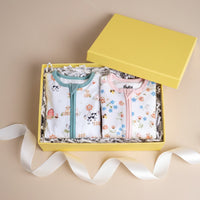
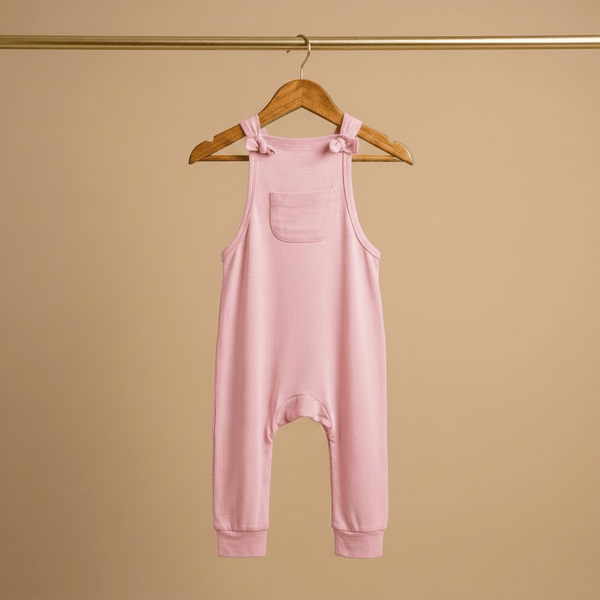
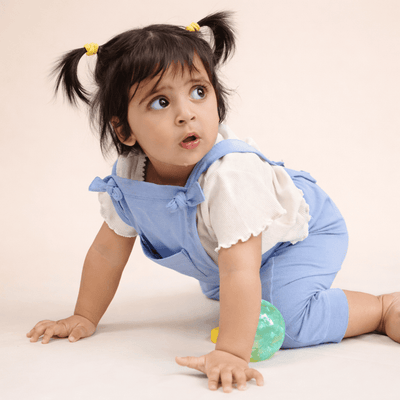
A practical monsoon rotation is a little larger than in dry months, because damp changes are more frequent. Around 6 to 8 bodysuits and 4 to 5 zipsuits in your baby's current size gives you enough to cover multiple changes a day plus the slower drying times. If you are putting a monsoon wardrobe together from scratch, the Bubz bundles give you a coordinated, correctly sized rotation of breathable pieces in one go. The bamboo rompers are a good pick for the drier, brighter days between spells of rain.
Conclusion
Monsoon dressing for your baby in India is not about adding layers or fighting the cold. It is about managing moisture, and the single highest-impact decision you make is fabric. Breathable, moisture-wicking, quick-drying, naturally antibacterial bamboo is far better suited to the humid Indian rainy season than conventional cotton, which stays wet, dries slowly, and creates exactly the damp conditions where monsoon rashes form.
Keep your baby in a single breathable layer, change them out of anything damp straight away, keep skin folds dry, and lean on a fabric that works with the humidity rather than against it. If your baby is clammy, rashy, or perpetually in slightly damp clothes this July, the fabric is the first thing to change.
Browse the Bubz bamboo baby clothes collection for the full range of OEKO-TEX certified, breathable, quick-drying pieces built for the Indian monsoon. It runs from bodysuits for humid afternoons to zipsuits for damp nights, in sizes 0 to 24 months.
FAQ
1. What fabric is best for baby clothes during the Indian monsoon?
Bamboo is the best fabric for baby clothes in the monsoon because it is breathable, moisture-wicking, quick-drying, and naturally antibacterial. In high humidity, cotton absorbs sweat and stays wet against the skin, which encourages prickly heat and fungal rash. Bamboo pulls moisture away from the skin and dries far faster, keeping your baby drier and more comfortable through the rainy season.
2. How should I dress my baby in the monsoon in India?
Keep your baby in a single breathable layer rather than adding extra clothing. Indoors on a humid non-AC day, a short-sleeve bamboo bodysuit during the day and a light bamboo zipsuit for sleep is enough. In an AC room, a long-sleeve bodysuit or full zipsuit works well. Always change your baby out of any damp clothing promptly, as wet fabric left on the skin is the main cause of monsoon rashes.
3. How do I stop my baby getting rashes in the monsoon?
Keep your baby's skin as dry as possible and choose moisture-wicking fabric. Change out of damp clothes quickly, pat skin folds dry after baths and outings, and give the nappy area some daily bare-skin time. Breathable bamboo baby clothes wick sweat away and naturally resist the fungal growth that thrives in monsoon humidity. If a rash blisters, spreads, or comes with a fever, see your paediatrician.
4. Why do my baby's clothes smell musty in the monsoon?
That musty smell comes from clothes drying too slowly in high humidity, which lets mildew and bacteria develop in the damp fabric. Cotton is especially prone to this because it holds moisture for a long time. Bamboo baby clothes dry considerably faster and are naturally antibacterial, so they are much less likely to develop the mildewy monsoon smell, making them easier to keep fresh through the rainy season.
5. How many baby outfits do I need for the monsoon?
Plan for a slightly larger rotation than in dry months because damp changes are more frequent. Around 6 to 8 bodysuits and 4 to 5 zipsuits in your baby's current size gives you enough to manage several changes a day alongside the slower monsoon drying times. Choosing a quick-drying fabric like bamboo makes this rotation go further, since each piece is ready to wear again sooner.
Radha Joshi writes about bamboo baby clothing, infant care, and practical parenthood for Bubz India.