








Introduction
Traveling with a baby sounds exciting until bedtime arrives in a new place. If you are here, you are probably dealing with some version of this: naps that disappear, a bedtime that shifts later and later, or a baby who wakes up the moment you try to put them down.
The hard part is that baby sleep on vacation is not just about being tired. It is about routine, cues, and environment. When those change, babies often protest. The good news is you do not need a perfect schedule to protect sleep. You just need a few simple anchors you can repeat anywhere.
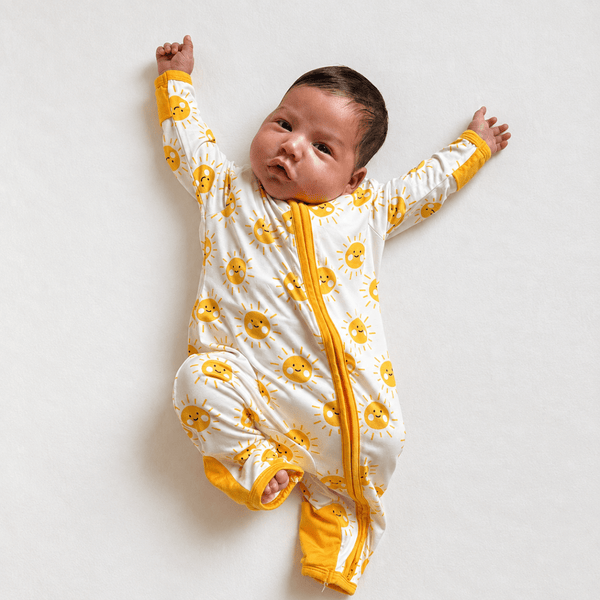
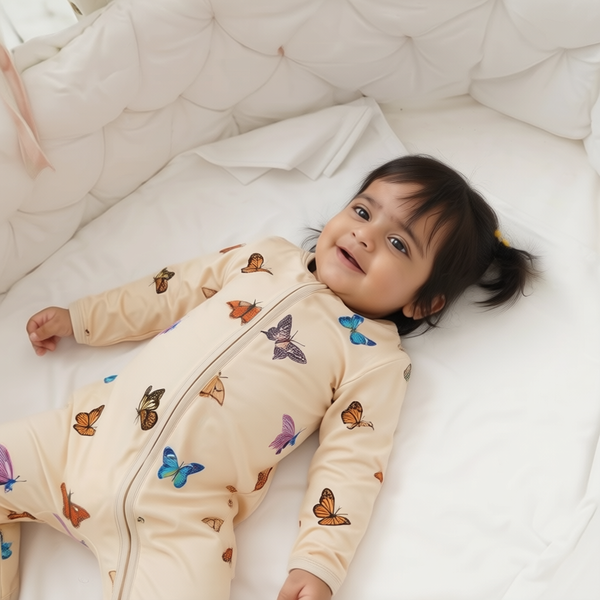
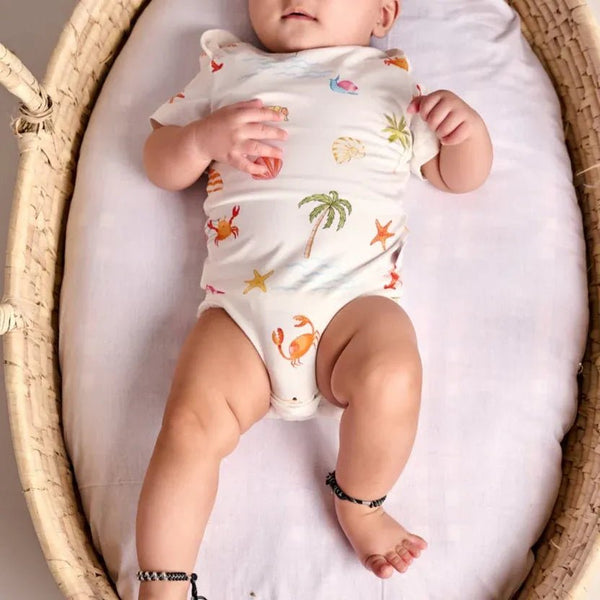
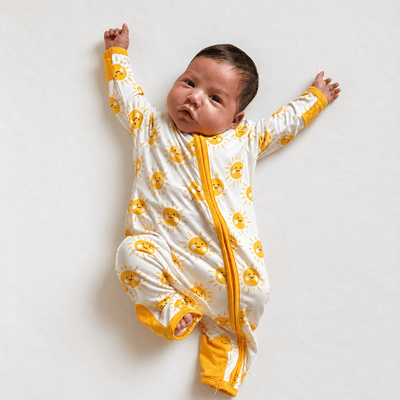
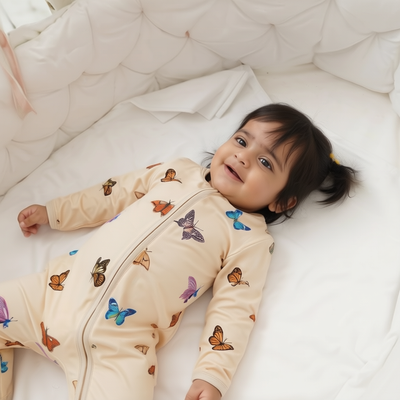
At Bubz, we think about “sleep support” in a practical way. Clothing is not a magic fix, but it can remove friction. Soft, breathable zipsuits help reduce overheating, two-way zips make diaper changes faster, and easy-on bodysuits and rompers keep routines smooth when you are in a hotel room, a relative’s home, or mid-flight.
Below are 7 simple ways to help your baby sleep during travel, without turning your trip into a sleep bootcamp.
Why should you protect your babies sleep during travelling?
Sleep disruption is one of the biggest reasons travel feels harder than it needs to. When naps fall apart, babies can become overtired. When babies are overtired, they often sleep worse, not better. That can lead to frequent wake-ups, short naps, and a bedtime that becomes a struggle.
Protecting sleep while you travel helps in three ways:
- It keeps your baby regulated. A rested baby is usually more adaptable to new places and people.
- It protects your days. Managing baby naps while traveling is often the difference between enjoying your plans and constantly improvising.
- It helps you recover faster. Even if sleep is messy during the trip, maintaining a few consistent cues makes it easier to reset at home.
If your goal is “how to maintain baby sleep schedule during travel,” think of it as keeping the rhythm, not the exact times. Most families do better with a flexible plan that still respects wake windows and sleep cues.

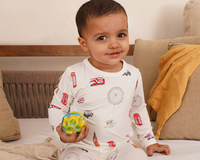
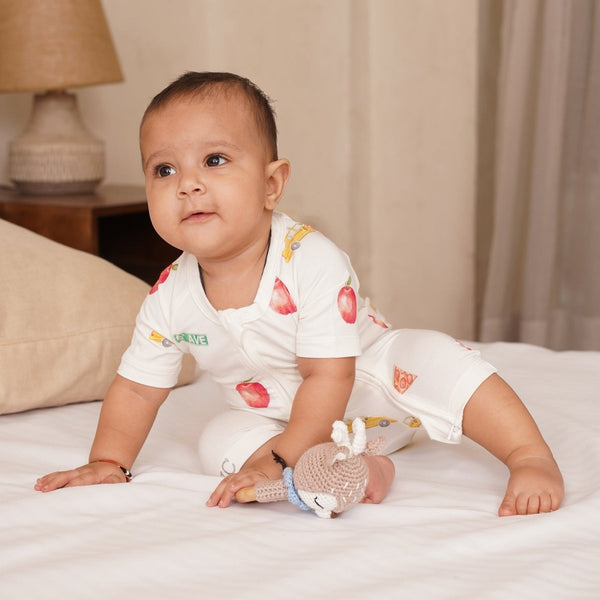
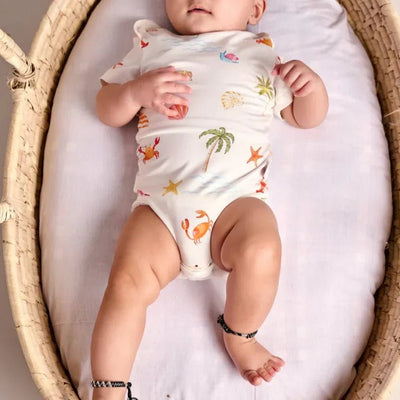
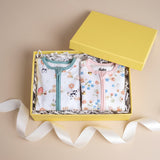
Alphabet Adventures Bamboo Short Sleeve Set
Rs. 1,650
How to Choose / Understand / Do Baby Sleep During Travel
Before the 7 tips, here is the simple framework that makes travel sleep easier:
- Protect wake windows. Wake windows are your guardrails. If you keep them roughly consistent, naps usually come back faster.
- Keep sleep cues consistent. A short, repeatable routine tells your baby, “sleep is next,” even in a new place.
- Control what you can in the sleep environment. Darkness, sound, and temperature matter more when everything else feels unfamiliar.
- Expect some disruption. Your job is not to prevent every wake-up. Your job is to reduce the spirals that turn one rough nap into a rough week.
If you keep these principles in mind, the practical tips below become much easier to apply.
1) Use wake windows as your travel “schedule”
Wake windows are one of the most reliable tools for baby sleep during travel. Instead of chasing exact nap times, watch how long your baby has been awake and aim to offer sleep before they cross into overtired territory.
If you are sightseeing, set a gentle reminder on your phone: “Offer nap soon.” Even a short nap can prevent a meltdown later. If a nap fails, try again after a short reset, like feeding, a calm walk, or a quiet cuddle.

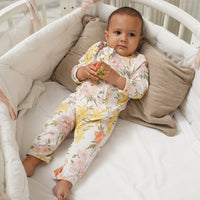
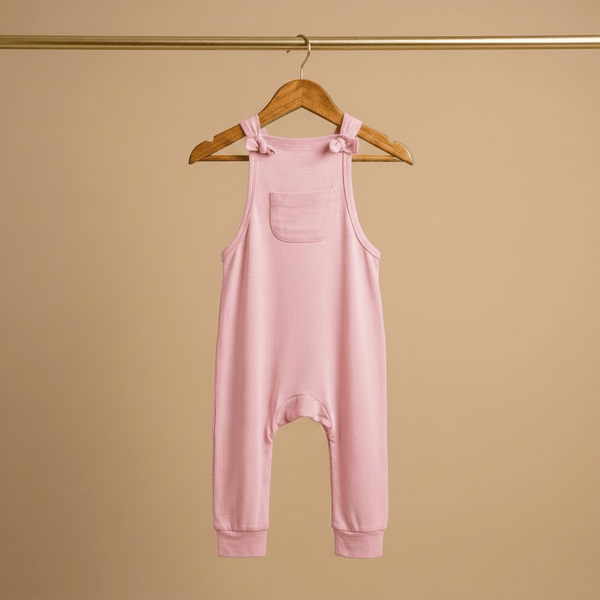
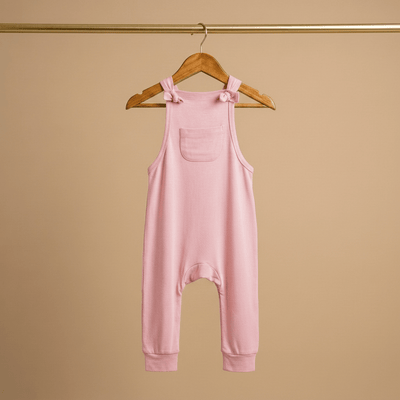
Bamboo Dungaree in Powder Blue
Rs. 1,950
This is also the best way to handle “traveling with baby nap routine” without feeling trapped in your room.
2) Keep the same sleep cues, even if the routine is shorter
Babies link sleep to patterns. When you travel, keep the same 3 to 5 cues and do them in the same order. Your routine can be as short as 5 minutes.
Examples of travel-friendly sleep cues:
- Diaper change
- Sleep sack or familiar zipsuit
- Short feed or cuddle
- White noise on
- One phrase you always say, like “night night, time to sleep”
If you are wondering “how to get baby to sleep while traveling,” consistency beats complexity.
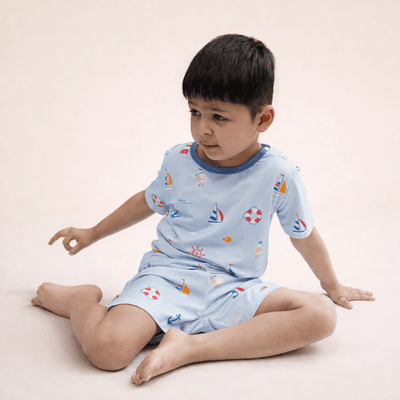
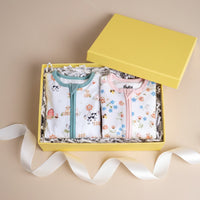
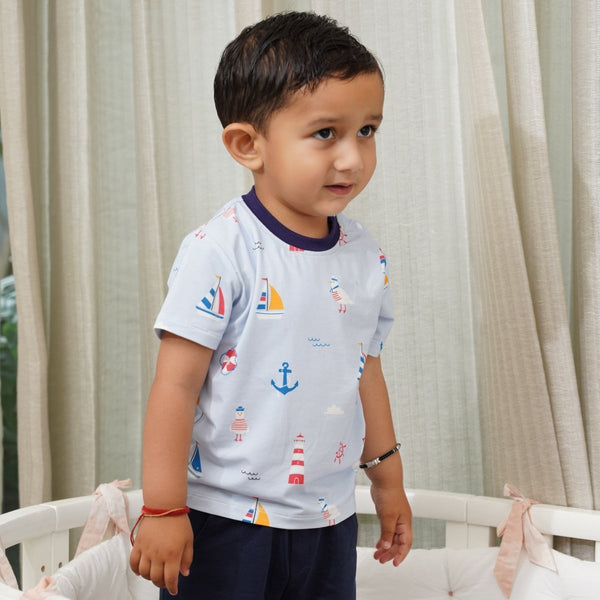
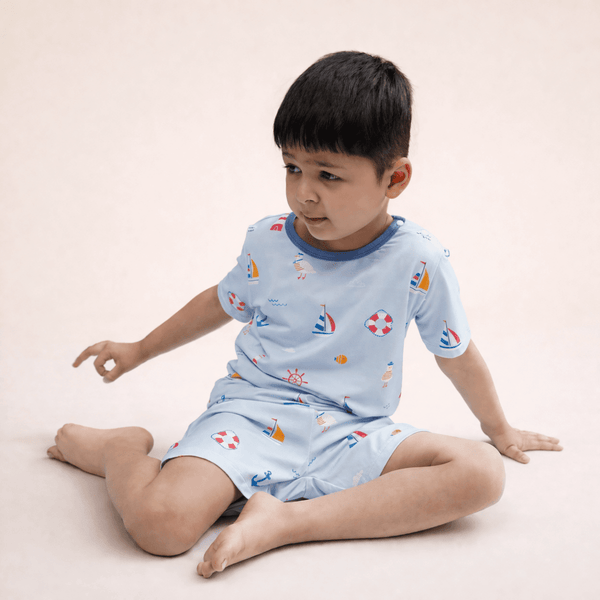
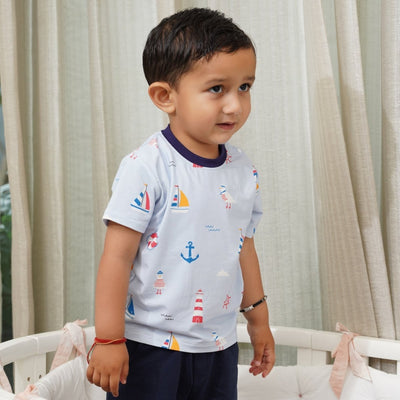
Little Sailors Bamboo Short Sleeve Set
Rs. 1,650
3) Create a simple sleep environment anywhere
Your baby’s sleep environment does not need to look like home. It just needs to feel predictable. Focus on three things: darkness, sound, and temperature.
- Darkness: Blackout curtains for travel or a blackout cover can make a huge difference, especially for naps.
- Sound: White noise for baby helps mask new sounds in hotels, like elevators, hallways, and street noise.
- Temperature: Rooms can run warmer or cooler than expected. Dress your baby in breathable layers and adjust as needed.
If you are trying to find the best way to help baby sleep in hotel room, prioritize blackout and white noise first. They are the biggest levers.
4) Pack a “portable sleep essentials” kit
A small kit removes decision fatigue. When your baby is tired, you want a quick setup, not a scavenger hunt.
Portable sleep essentials to consider:
- White noise machine or a phone app plus a small speaker
- Blackout solution (travel blackout curtains, blackout slumber pod, or clips and a dark cloth)
- Comfort item if age-appropriate, like a small lovey
- Night light for feeds and diaper changes
- 2 to 3 sleep outfits that feel like “bedtime”
For many parents, a familiar sleep outfit helps signal bedtime. That is where easy, functional pieces matter. A two-way zip makes night diaper changes faster. Breathable fabric can help avoid overheating, especially in warmer destinations.
If you want to browse travel-friendly baby sleepwear basics, you can explore Bubz zipsuits, bodysuits, and rompers here: https://www.bubz.in.
5) Manage naps on the go, but protect at least one “solid” sleep
When you are out, naps may happen in the stroller, carrier, or car seat. That is normal. The trick is to protect at least one stronger nap or bedtime in a calmer environment when possible.
A practical approach for managing baby naps while traveling:
- If the first nap is on the go, try to make the second nap more settled.
- If all naps are short, bring bedtime earlier to prevent overtiredness.
- If your baby has sleep cues, use them even on the go, like white noise and a familiar phrase.
Think of naps as “good enough.” Your goal is not perfect sleep. Your goal is avoiding the overtired spiral.
6) For flights, plan for pressure changes and timing, not perfection
Baby sleep on flights can be unpredictable. Cabin noise can help, but timing, stimulation, and ear pressure can disrupt settling.
Baby sleep tips for long flights:
- Offer feeding during takeoff and landing to help with ear pressure.
- Use wake windows as a guide, but expect some delay.
- Dress baby in comfortable layers and keep one easy-change outfit accessible.
- Use a familiar sleep cue, like the same lullaby or white noise.
If your baby skips a nap on the plane, aim for a calmer landing day and an earlier bedtime. That alone can protect the next day.
7) Handle time zone changes with the circadian rhythm in mind
If you are crossing time zones, your baby’s circadian rhythm will need time to adjust. Babies often wake early or get sleepy at unusual times for the first few days.
How to help baby adjust to time zone changes:
- Get outdoor light exposure in the morning based on the new local time.
- Keep naps age-appropriate, but do not let daytime sleep stretch too long if nights are struggling.
- Shift bedtime gradually when possible, even by 15 to 30 minutes per day.
- Keep bedtime cues consistent. Your routine anchors the day.
If you are only traveling for a short trip, sometimes it is easier to keep a hybrid schedule rather than fully adjusting. Do what protects sleep and sanity.
A quick note on sleep training while traveling
Many parents wonder about sleep training while traveling. In general, travel is not the easiest time to introduce major changes. New environments can add too many variables.
If your baby already has a settled method, keep it consistent. If sleep is falling apart, focus on reducing overtiredness and strengthening the sleep environment first. You can return to bigger changes once you are home.
Quick Reference or Summary Table
Use this table as a fast checklist for travel sleep tips for babies. Save it before your next trip.
| Situation | What to do | Why it helps |
|---|---|---|
| Baby refusing naps | Offer sleep earlier based on wake windows. Try a reset and re-offer. | Prevents overtired baby cycles that make sleep harder |
| Noisy hotel or new place | Use white noise. Darken the room with travel blackout. | Masks unfamiliar sounds and supports deeper sleep |
| On-the-go day | Let one nap happen on the go, protect bedtime or one settled nap. | Keeps total sleep from collapsing |
| Baby sleep on flights | Feed during takeoff and landing. Use simple sleep cues. | Helps with ear pressure and supports settling |
| Road trips | Plan a stop around a wake window. Keep nap cues consistent. | Supports safer breaks and better timing for naps |
| Time zone change | Morning light, gradual bedtime shift, keep bedtime routine steady. | Helps circadian rhythm adjust faster |
| Night wakes increase | Earlier bedtime for 1 to 2 nights. Tighten environment and cues. | Reduces overtiredness and reinforces sleep signals |
Final Thoughts
Baby sleep on vacation can feel unpredictable, but it is not random. When you protect wake windows, repeat the same sleep cues, and set up a simple sleep environment, you give your baby the best chance to settle, even in a new place.
Keep it simple. Pack portable sleep essentials, stay flexible with naps, and use an earlier bedtime to avoid an overtired baby. Travel might still be bumpy, but you can prevent it from turning into a full reset.
If you want travel-friendly basics that support quick changes and comfortable sleep routines, you can explore Bubz zipsuits, bodysuits, and rompers here: https://www.bubz.in.