

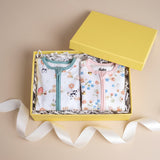

Summer nights can make even confident new parents second guess bedtime. Is baby too warm, too cold, or dressed just right? It is a common worry, especially with newborns, who are still adjusting to the world outside the womb and cannot regulate body temperature as well as older children.
If you have ever stood over the crib wondering whether a vest is enough, whether a sleepsuit is too much, or whether the room feels too stuffy, you are not alone. Dressing a newborn for sleep in hot weather is one of those parenting questions that sounds simple, but can feel stressful in real life.
At Bubz, we spend a lot of time thinking about comfort-led babywear that works for real families and real routines. From soft zipsuits to easy bodysuits and practical rompers, the goal is always the same. Help parents dress their little ones in a way that feels simple, breathable, and fuss-free, especially during warm nights when comfort matters most.
In this guide, we break down exactly what baby summer sleep clothing works best, how many layers a newborn may need, what fabrics to look for, and how to reduce the risk of overheating without overcomplicating bedtime.
Why Summer Sleepwear Matters More Than Most Parents Think
Newborn sleep is delicate to begin with. Add heat, humidity, and long summer nights, and sleep can get disrupted even more easily. A baby who is too warm may wake more often, feed less comfortably, or seem fussy and unsettled at bedtime.
That is why choosing the right baby sleep clothes for hot weather is not just about comfort. It is also about safe baby sleep. Overheating is one of the biggest concerns in warm weather, and clothing plays a major role in helping keep your baby at a safe and comfortable temperature overnight.
The good news is that you do not need a complicated wardrobe. You just need a simple understanding of room temperature, breathable layers, and what works best for your baby’s age and sleep setup.


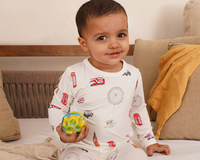
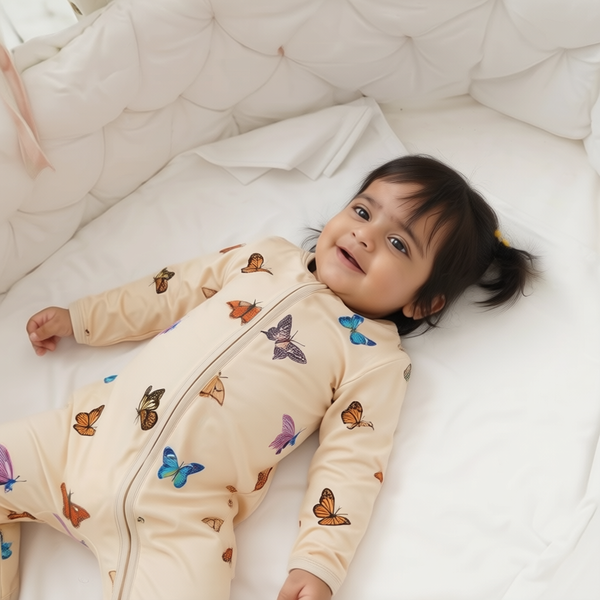
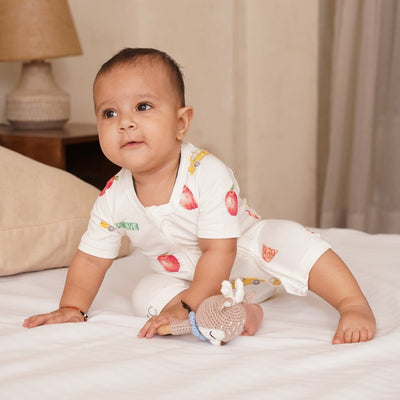
Alphabet Adventures Bamboo Zipsuit
Rs. 2,200
How to Choose Baby Summer Sleep Clothing
The easiest way to decide what your newborn should wear to sleep in summer is to think about three things together. Room temperature, fabric, and layers.
1. Start with the room temperature
Your baby’s room temperature matters more than the season on the calendar. A home with air conditioning may need slightly different sleepwear from a home that stays naturally warm through the night.
As a general guide, a room temperature between 20°C and 22°C is often considered comfortable for baby sleep. In warmer homes, especially in Indian summers or humid climates, the room may stay above that range. That is when lightweight baby clothing becomes even more important.
2. Choose breathable baby clothes
Fabric can make a big difference in how your baby sleeps. In summer, look for breathable baby clothes made from soft, lightweight materials that allow airflow and do not trap too much heat.

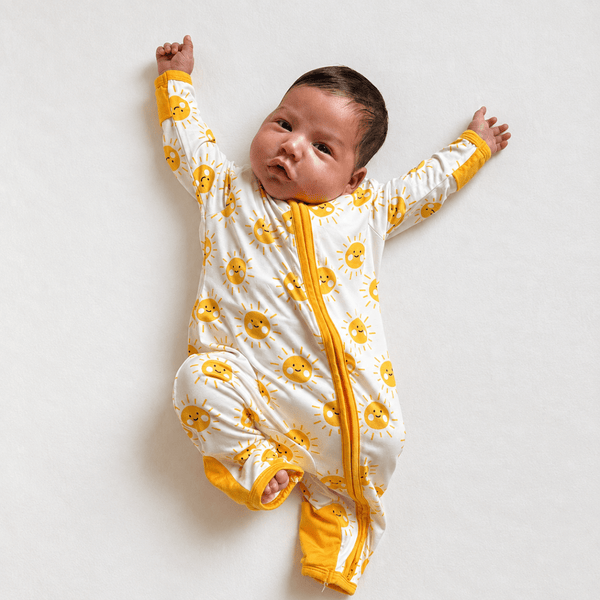
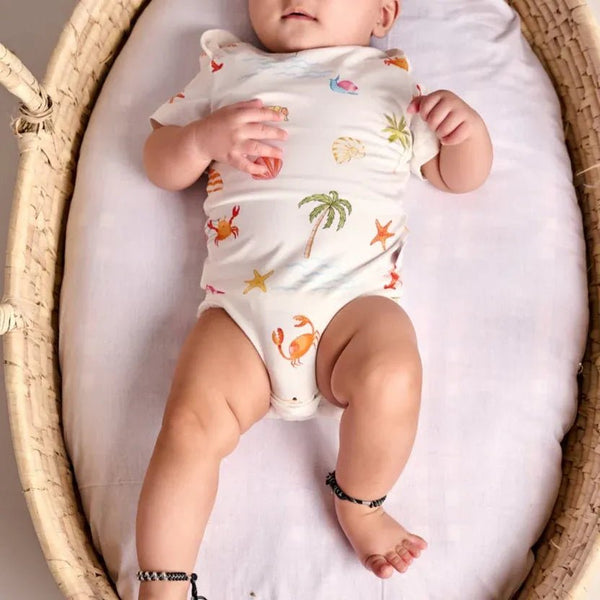
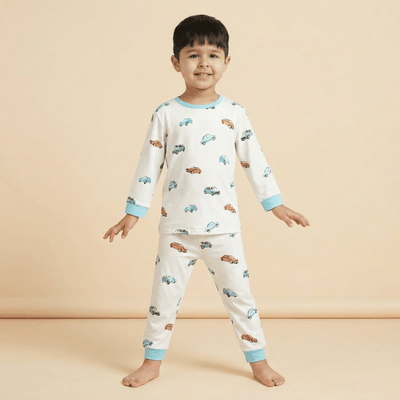
Barn Bamboo Zipsuit
Rs. 2,200
Natural or temperature regulating fabric options are usually the most comfortable for warm nights. Bamboo-based baby sleepwear is especially popular because it tends to feel soft, light, and gentle on delicate skin. Cotton is another common choice, though some parents find that bamboo blends feel cooler and softer for overnight wear.
3. Keep layers minimal
Many parents overdress babies at night because they worry about them feeling cold. In summer, this usually does more harm than good. Newborns typically need fewer layers than parents expect, especially when sleeping indoors.
A good rule is to dress your baby in one light layer more than what feels comfortable for you in the same room. But always use this as a starting point, not a strict formula. Some babies naturally run warmer than others.
4. Check for signs of baby overheating
Rather than relying on hands and feet, which can often feel cooler, check the back of your baby’s neck or chest. If the skin feels sweaty, hot, or clammy, your baby may be too warm.

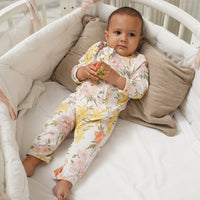
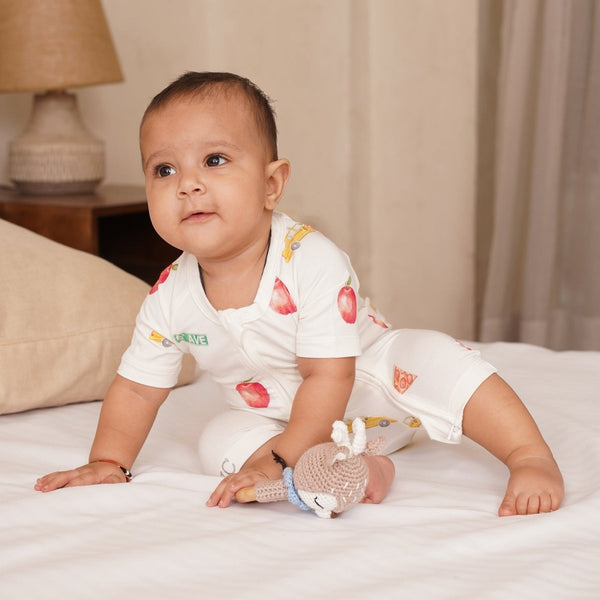
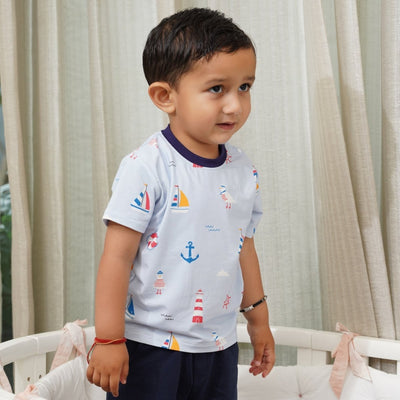
Blossoms Bamboo Zipsuit
Rs. 2,200
Other signs of baby overheating can include flushed cheeks, damp hair, rapid breathing, or unusual restlessness. If you notice these signs, remove a layer and reassess the room temperature.

What Should Baby Wear to Sleep in Summer?
Parents often search for exact answers, but the truth is that baby sleep clothes in warm weather depend on the sleep environment. Below is a practical guide to help you dress your newborn safely and comfortably.
What should newborn wear to sleep in summer when the room is very warm?
If the room is warm, around 24°C to 26°C or higher, a short-sleeve bodysuit or a lightweight sleeveless bodysuit may be enough for sleep. In very hot weather, some babies may even sleep comfortably in just a diaper and a light swaddle alternative if age-appropriate and safe.
Avoid thick sleepsuits, heavy blankets, fleece layers, or anything that holds in heat.
Baby sleepwear for hot nights in air-conditioned rooms
If the room is air-conditioned and stays around 20°C to 22°C, a lightweight full-length zipsuit or sleepsuit made from breathable fabric can work well. Some parents also use a light sleep sack for summer, provided it has a low TOG rating and suits the room temperature.
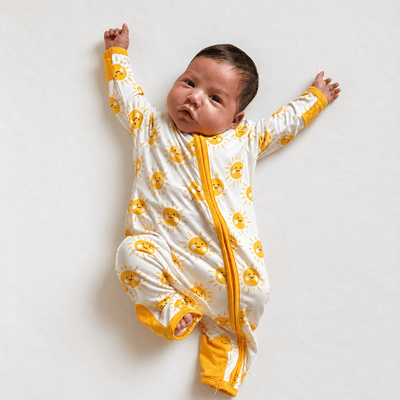
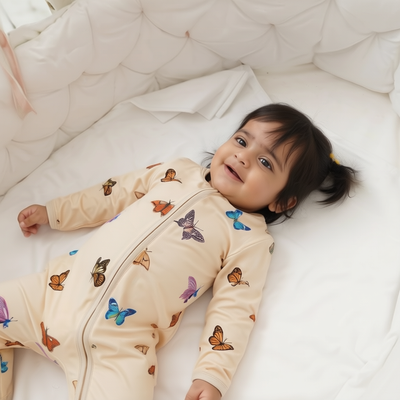
This is where a soft bamboo zipsuit can be especially practical. It gives coverage without feeling bulky, and the built-in ease of a zip can make night changes simpler.
Baby nightwear for summer during humid weather
Humidity can make babies feel stickier and more uncomfortable, even if the temperature itself does not seem extremely high. In these conditions, the best summer sleepwear for babies is usually light, moisture-friendly, and non-restrictive.
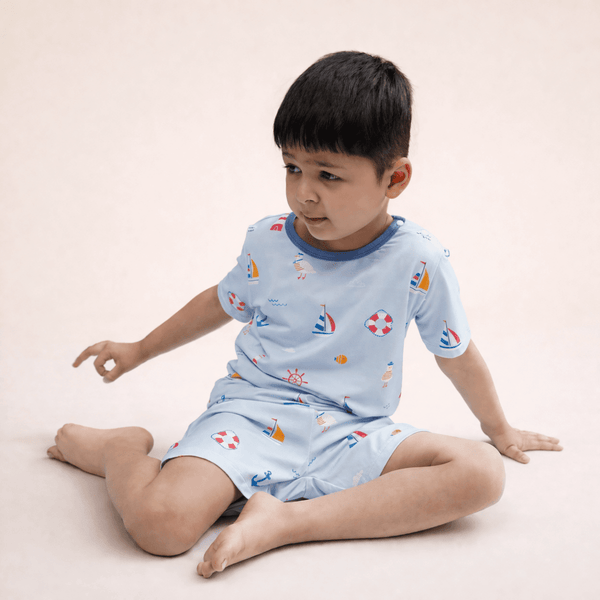
A breathable romper for bedtime lounging, followed by a bodysuit or lightweight sleepsuit for actual sleep, can work well depending on your baby’s bedtime routine and room conditions.
Baby Sleepwear Temperature Guide for Summer
Here is a simple guide to help you choose baby summer sleep clothing based on room temperature. Always use it as a general reference and adjust based on your baby’s comfort.
| Room Temperature | Suggested Baby Sleepwear | Notes |
|---|---|---|
| 26°C and above | Diaper only, or sleeveless/short-sleeve bodysuit | Use the lightest possible layer. No blankets. |
| 24°C to 26°C | Short-sleeve bodysuit or lightweight romper | Ideal for hot nights and non-AC rooms. |
| 22°C to 24°C | Lightweight short or long-sleeve sleepsuit | Choose breathable fabric with no extra layering. |
| 20°C to 22°C | Lightweight zipsuit, optional low TOG sleep sack | Works well in mildly cool or air-conditioned rooms. |
Understanding TOG Rating and Summer Sleep Sacks
If you use sleep sacks for summer, you have probably come across the term TOG rating. TOG is a measure of thermal resistance. In simple words, it tells you how warm a sleep sack is.
For summer, parents usually look for low TOG options, such as 0.2 or 0.5 TOG, depending on room temperature. A low TOG sleep sack can be useful if your baby likes a bit of structure for sleep, but it should never be layered heavily underneath in hot weather.
Not every baby needs a sleep sack in summer. If the room is warm and your newborn is comfortable in a single breathable layer, that may be enough. Safe baby sleep always matters more than following a product trend.
Best Fabric for Baby Sleep in Summer
One of the most important decisions is choosing the best fabric for baby sleep in summer. The goal is to find something soft, breathable, and gentle against sensitive skin.
Bamboo sleepwear for babies in summer
Bamboo sleepwear for babies in summer has become a popular choice because it is known for being lightweight, soft, and comfortable in warm weather. Many parents like it for newborns because it feels smooth on delicate skin and works well for long hours of wear.
For brands like Bubz that focus on bamboo-rich babywear, this is exactly why zipsuits, bodysuits, and rompers are designed to feel easy and breathable rather than thick or restrictive.
Cotton baby sleepwear
Cotton is a trusted option and widely available. Lightweight cotton can work well for summer nights, especially when the fit is relaxed and the weave is breathable.
What to avoid
Avoid synthetic or overly heavy fabrics that may trap heat. Also skip multiple tight layers, thick caps, mittens during sleep unless medically needed, and heavy swaddles in very warm weather.
How to Prevent Baby Overheating at Night
If your main concern is how to prevent baby overheating at night, focus on these practical steps.
Dress for the room, not the season label
A summer night in one home may feel completely different from another. Always go by the actual room temperature.
Use one light layer at a time
Start light. It is easier and safer to add a layer if needed than to realize your baby has been too warm for hours.
Skip loose blankets
Loose blankets are not recommended for newborn sleep. If your baby needs extra warmth in a cooler room, use an appropriate sleep sack instead of layering blankets.
Keep the sleep environment cool
Use a fan or air conditioning if needed, but avoid direct airflow onto your baby. Light curtains, ventilation, and breathable crib sheets can also help.
Check baby’s neck or chest
This gives a more accurate sense of body warmth than hands or feet.
How Many Layers Should Baby Wear in Summer?
This is one of the most searched questions for a reason. Parents want a simple answer.
In most summer conditions, a newborn needs just one light layer for sleep. In hotter rooms, even less may be enough. In cooler air-conditioned rooms, one breathable full-length layer may be appropriate.
So when parents ask how many layers should baby wear in summer, the answer is usually one lightweight layer, adjusted based on the room temperature and your baby’s comfort.
Main Summer Sleepwear Options for Newborns
Lightweight bodysuits
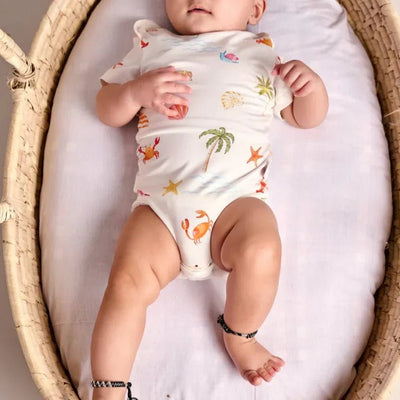
Bodysuits are often the simplest choice for warm nights. They are light, easy to change, and work well when the room is quite warm.
Breathable zipsuits
Zipsuits are useful when you want full-body coverage without bulky layering. They can work especially well in air-conditioned rooms or slightly cooler summer nights.
Soft rompers for pre-bed comfort
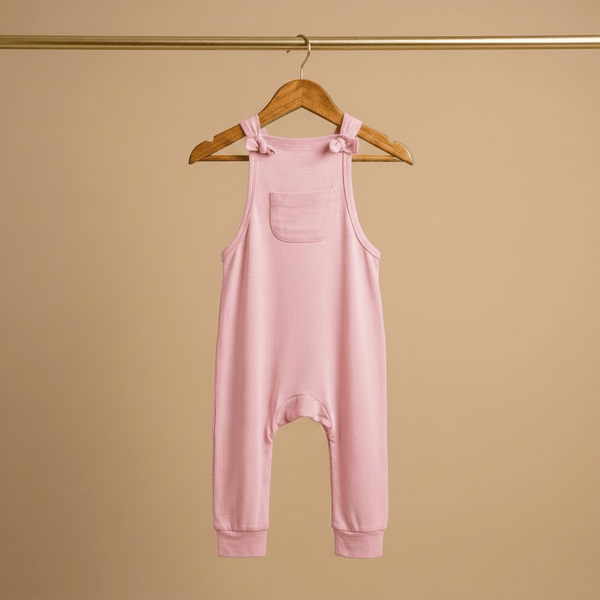
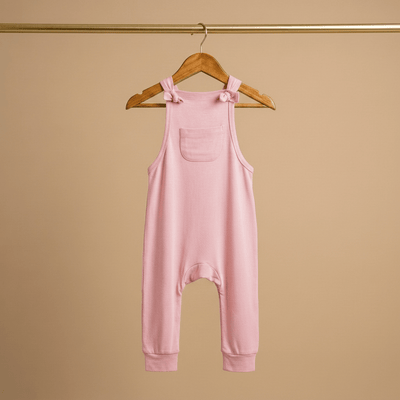
Rompers are often ideal for evening wear before sleep, especially during summer routines when babies are winding down after a bath or feed. Some lighter rompers may also work for sleep, depending on cut and fabric.
Quick Reference Table: What Should Baby Wear to Sleep in Summer?
| Situation | What Baby Can Wear | What to Avoid |
|---|---|---|
| Hot room with no AC | Short-sleeve bodysuit or sleeveless bodysuit | Thick sleepsuits, blankets, fleece |
| Warm humid night | Breathable lightweight sleepwear in bamboo or soft cotton | Tight layers, non-breathable fabrics |
| Cooler room with AC | Lightweight zipsuit, optional low TOG sleep sack | Multiple layers underneath |
| Baby feels sweaty or clammy | Remove one layer and reassess room temperature | Adding more clothing |
Final Thoughts
When it comes to baby summer sleep clothing, simpler is usually better. A newborn does not need lots of layers to sleep well in summer. What they need is a calm sleep environment, breathable clothing, and a parent who knows what signs to look for.
Start with the room temperature. Choose lightweight, breathable baby clothes. Keep layering minimal. And remember that comfort and safety matter more than dressing for habit.
If you are building your baby’s warm-weather wardrobe, soft essentials like breathable zipsuits, easy bodysuits, and lightweight rompers can make summer dressing much easier, both for sleep and for the wind-down routine before bed.
For more newborn-friendly guidance, you can also explore our related reads on baby sleep during travel, hospital bag essentials, and babywear basics for different seasons. These are helpful next steps if you are building a practical wardrobe for your little one.